
The Faroe Islands: 7 Things I Learned
by Michael Bennett, Ed.D. | Co-Founder of Explorer X

Having recently returned from yet another trip to the Faroe Islands, you could rightfully say that I am smitten with the destination. This was, after all, my third time visiting the Faroes in the past 5 years. I am not someone who often returns to a destination more than once – there are too many places to explore that I have yet to travel to. But the Faroes have spoken to me at a level that is hard to explain in words, but is easily felt once you visit.
Before I dive into thoughts and reflections from my most recent journey there, some context is necessary. For those of you who aren’t sure what and/or where the Faroe Islands are, you are not alone: Most people, if they have even heard of the Faroes, couldn’t find them on a map. Here is a little help :)
The Faroe Islands are an 18-island archipelago located due north of the United Kingdom, adrift between the Norwegian Sea and the North Atlantic Ocean. As some Europeans like to say, the Faroe Islands were created by those sailing from Norway to Iceland who were too seasick to make the full journey.
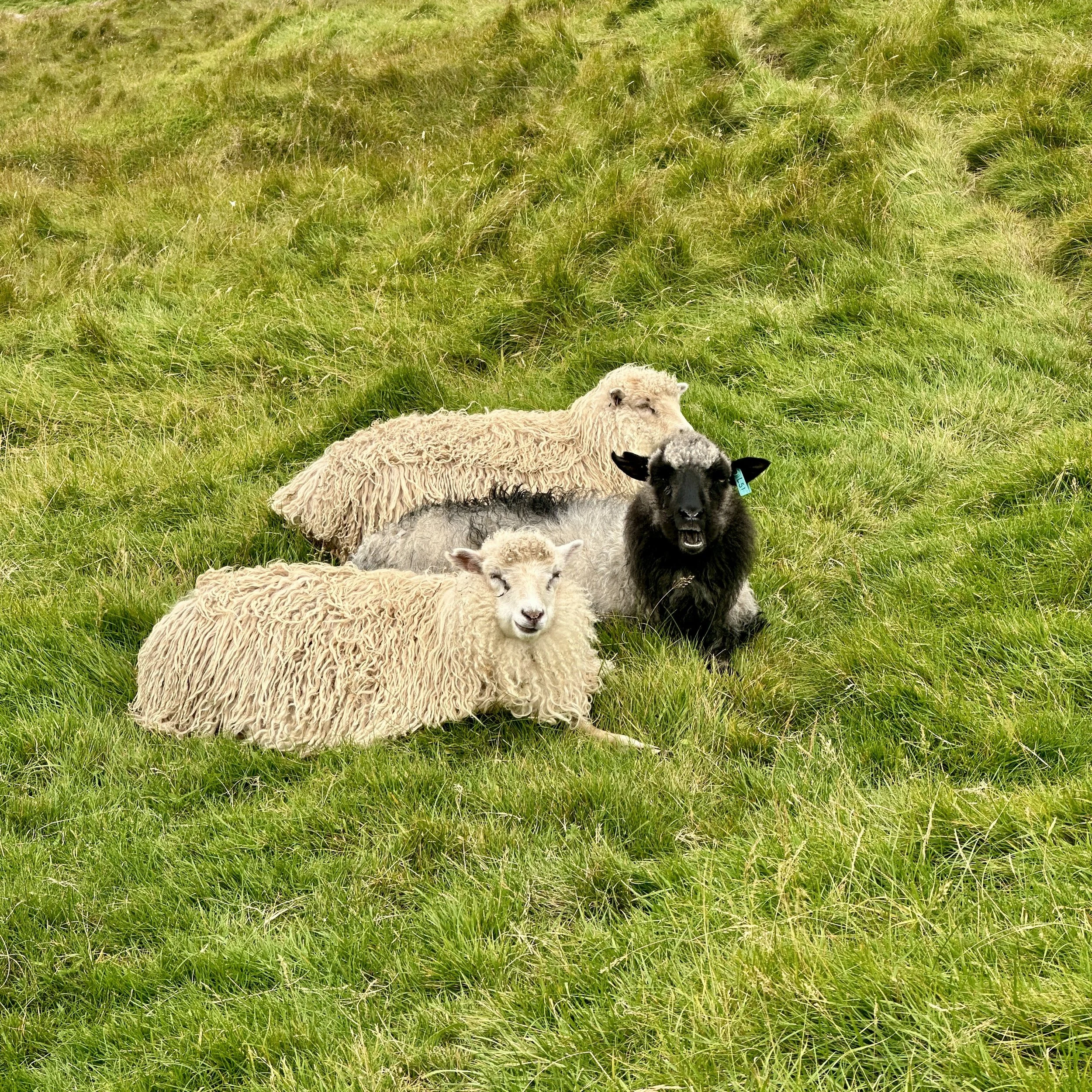
The name ‘Faroe Islands’ literally means “Sheep Islands,” and for good reason: There are more sheep that live there now (about 80,000) than people (54,000). Since 1948, the Faroe Islands have been a self-governing nation under the external sovereignty of the Kingdom of Denmark. This means the islands have exclusive competence to legislate and govern independently within a wide range of areas, such as trade, taxation, social security, and education.
The Faroes are an unfathomably beautiful place to visit and are home to a unique and endearing culture. Here are 7 of my biggest takeaways from my most recent adventure there.

1. The Faroe Islands are stunningly beautiful.
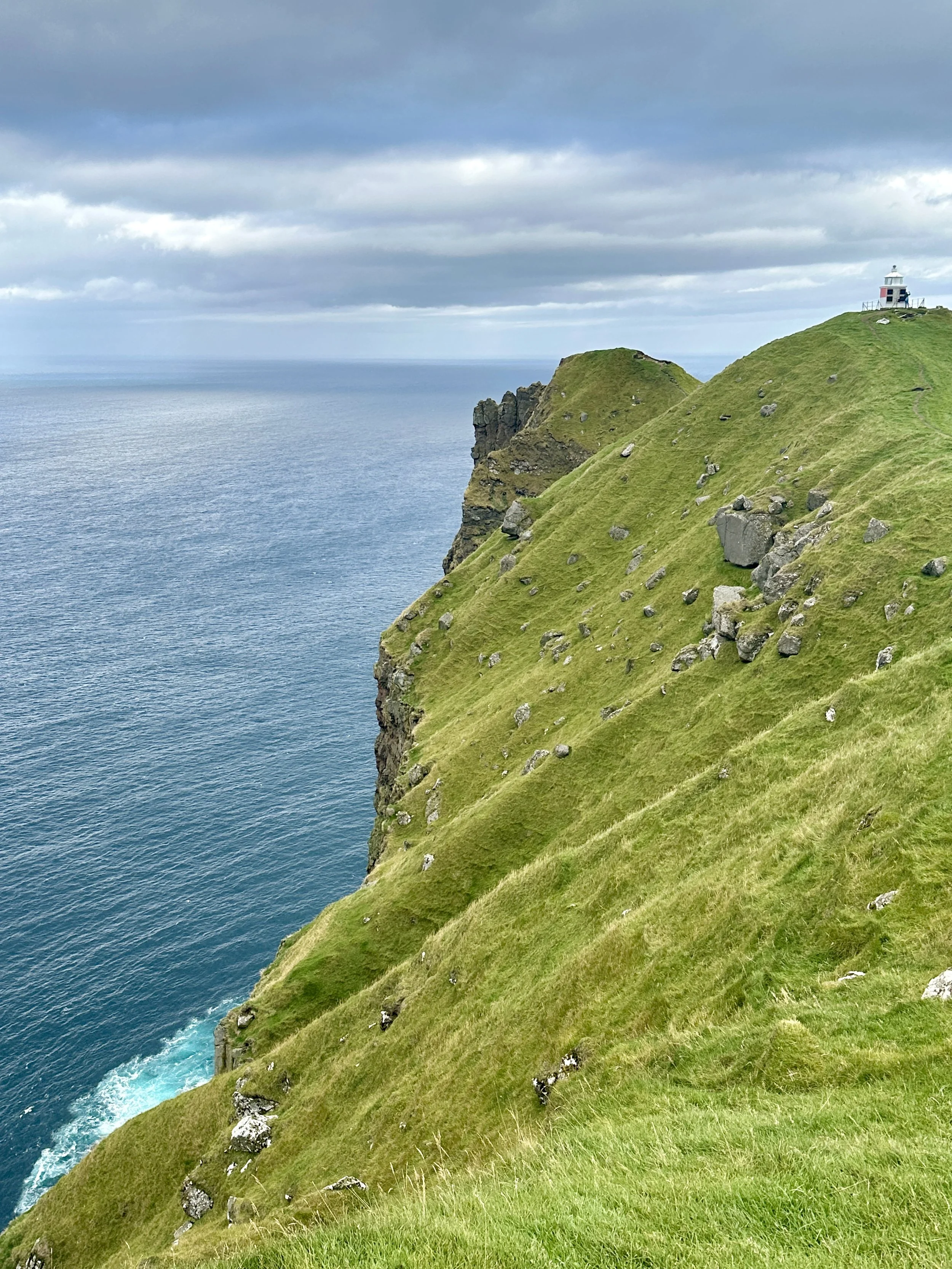
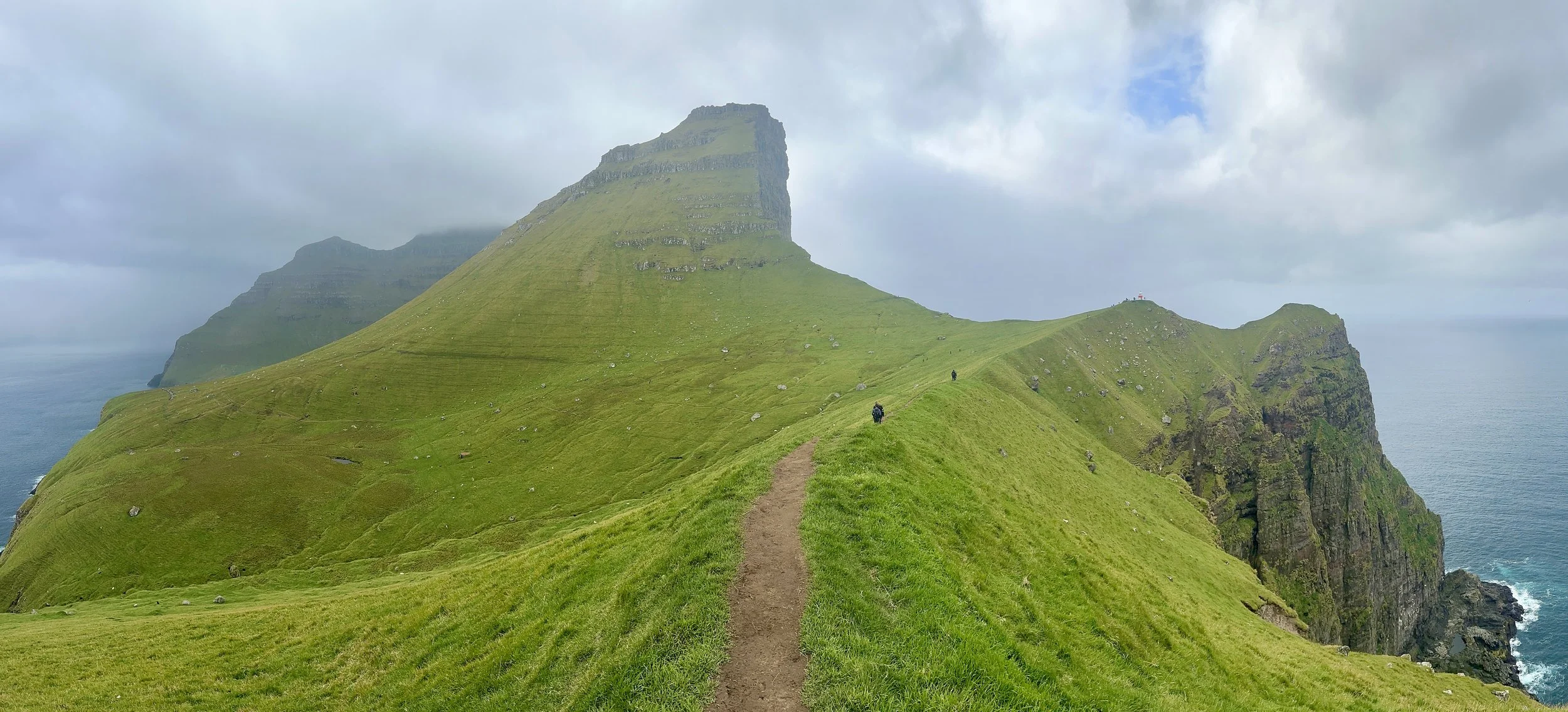
The Faroe Islands are seriously, stunningly, breathtakingly beautiful. The best way I can describe them is this: If Ireland and Iceland had a baby, it would be the Faroes. With lush green pastures and rolling hills dotted with sheep, majestic cliffs and mountains (also dotted with sheep), and lakes, fjords, and waterfalls, you feel like you are walking through a postcard pretty much the entire time. Taking a bad photo of the Faroes seems like an impossible task.

2. The locals are welcoming and proud.
Each time I have been there, I have found the Faroese to be a resilient, warm, and humble people who are deeply connected to (and proud of) their rugged islands. Rooted in seafaring and farming traditions, they masterfully balance independence with close-knit community life. While proud of their heritage, they’re also open, creative, and adaptive — blending tradition with modernity, and shaping a truly distinct cultural identity in the North Atlantic.
For an immersive glimpse into life in the Faroes, be sure to visit Anna and Óli for a delicious dinner and thought-provoking conversation. If you are interested in spending a night at a local farm, check out Hanusarstova, where Harriet, John, and their animals will welcome you with open arms.
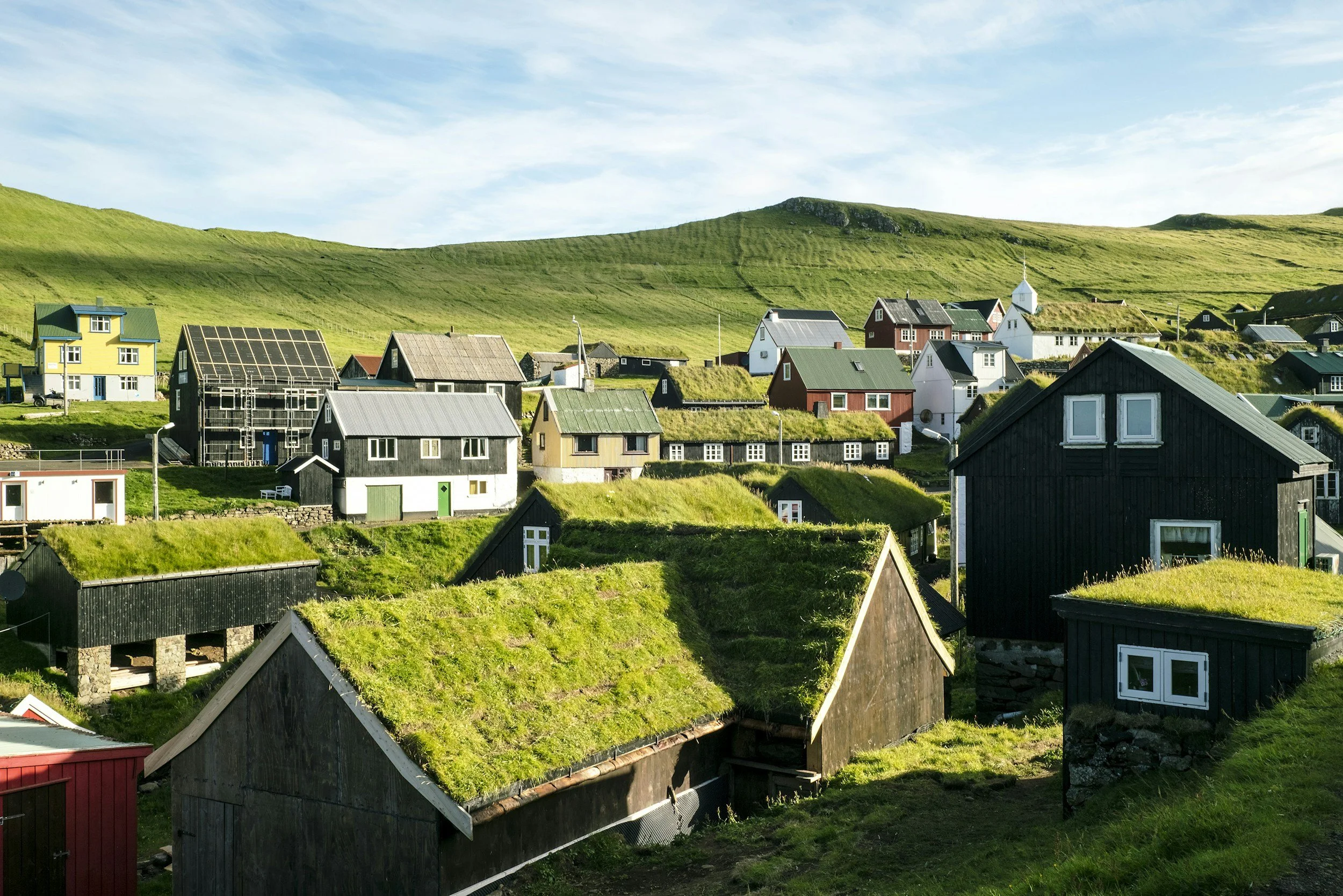
3. There is a fascinating convergence of old and new ways of life.
In the Faroe Islands, the meeting of old and new generations creates a unique cultural balance. Elders pass down traditions of fishing, sheep farming, and food preservation — skills that sustained life for centuries in this remote landscape. Meanwhile, younger Faroese who head abroad for their higher education are bringing fresh perspectives, modern technology, and global influences back home. Rather than abandoning tradition, they often reinterpret it: Reimagining fermented dishes in fine dining, blending music rooted in ballads with contemporary sounds, or using digital tools to strengthen small communities. This intersection of long-held traditions with exciting new approaches ensures the Faroese identity remains vibrant, honoring heritage while adapting to a changing world. One example of this intersection of old and new is that …
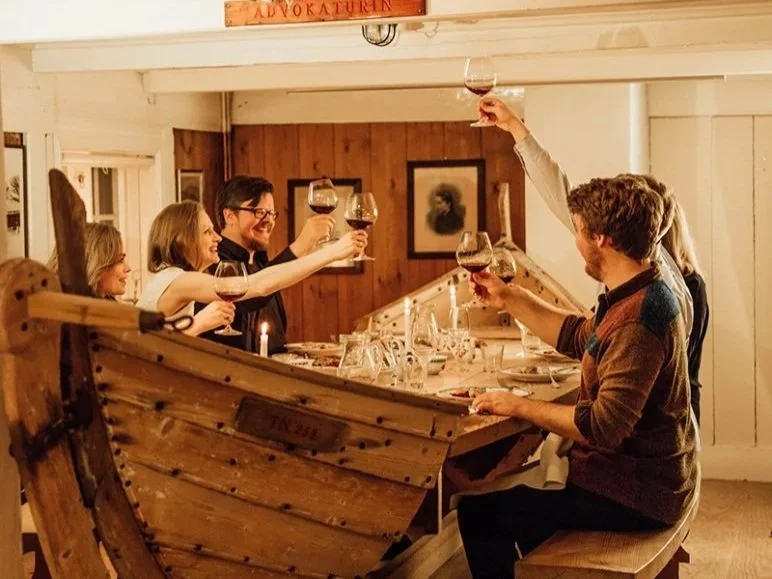
4. The food scene is unexpectedly good and innovative.
The food scene in the Faroe Islands is both rugged and refined: Hearty stews of lamb and potatoes shared in family homes, and artful tasting menus drawing visitors from across the world. In the Faroes, food is culture, heritage, and survival intertwined. With limited farmland and a short growing season, Faroese cuisine has historically relied on the sea and the land’s natural resources. Fish, lamb, and seabirds form the backbone of the diet, prepared in ways that reflect both necessity and creativity.
In recent years, the islands have become known internationally for their innovative chefs who are redefining Nordic cuisine while staying rooted in tradition. Restaurants such as PAZ (with two Michelin stars), ROKS, Aarstova, and Ræst pioneer of Faroese fine dining, highlight the purity and freshness of local ingredients. Dining here often feels more like storytelling than eating, with each plate reflecting a landscape shaped by sea, wind, and stone.

5. The Faroes are surprisingly easy to get to … and get around.
Atlantic Airways, the national airline of the Faroes, has regular routes to/from major airports throughout Europe, including Copenhagen, Reykjavik, Oslo, and Paris, making it surprisingly easy to get there. Even better, Atlantic Airways is equipped with the best navigation technology in Europe for travel during foggy and/or rainy weather (which you can expect at some point during your travels to the Faroes), minimizing flight delays and cancelations compared to all other airlines.
Once you are there, getting around the islands is also a breeze: The roads are very well taken care of and there are even undersea tunnels that connect the islands (including an undersea roundabout!). Of course, ferries and boats are readily available and the friendly locals are always willing to give you directions should you lose your way.

6. The ideal time to visit is in the Summer.
All three times I have visited the Faroes have been in mid-to-late September, and while we were blessed with some pleasant (read: not rainy) weather and even a sunny day or two, the weather was pretty much what you might expect from a bunch of islands in the North Atlantic in the Fall: Cold, windy, and damp.
For predictably nicer weather, traveling to the Faroes in June, July, or August is your best bet. Opportunities for hiking abound, there are some fun festivals, and with warmer weather (warm being relative; highs in the summer tend to hover around 55–60F) and sunnier days, the summer is the perfect time to visit. If you aren’t afraid of a little rain and wind, May and September are nice and offer better pricing with fewer crowds (not that there is much of a crowd in the summer).

7. Add a few nights in Copenhagen.
The Faroe Islands are an absolutely amazing destination, but for most travelers, spending a week there is plenty of time to see and do just about everything on your list. It is, afterall, a very small country. Since getting to/from the Islands almost always includes a stopover someplace, my recommendation is to take a few nights before and/or after to explore Copenhagen. It’s a world-class city with lovely little neighborhoods, great accommodation options, an incredible food scene, and some of the most beautiful people on the planet. Spending 3—4 nights in Copenhagen sandwiched around a week in the Faroes is the recipe for an incredible adventure!
Photos from My Journey
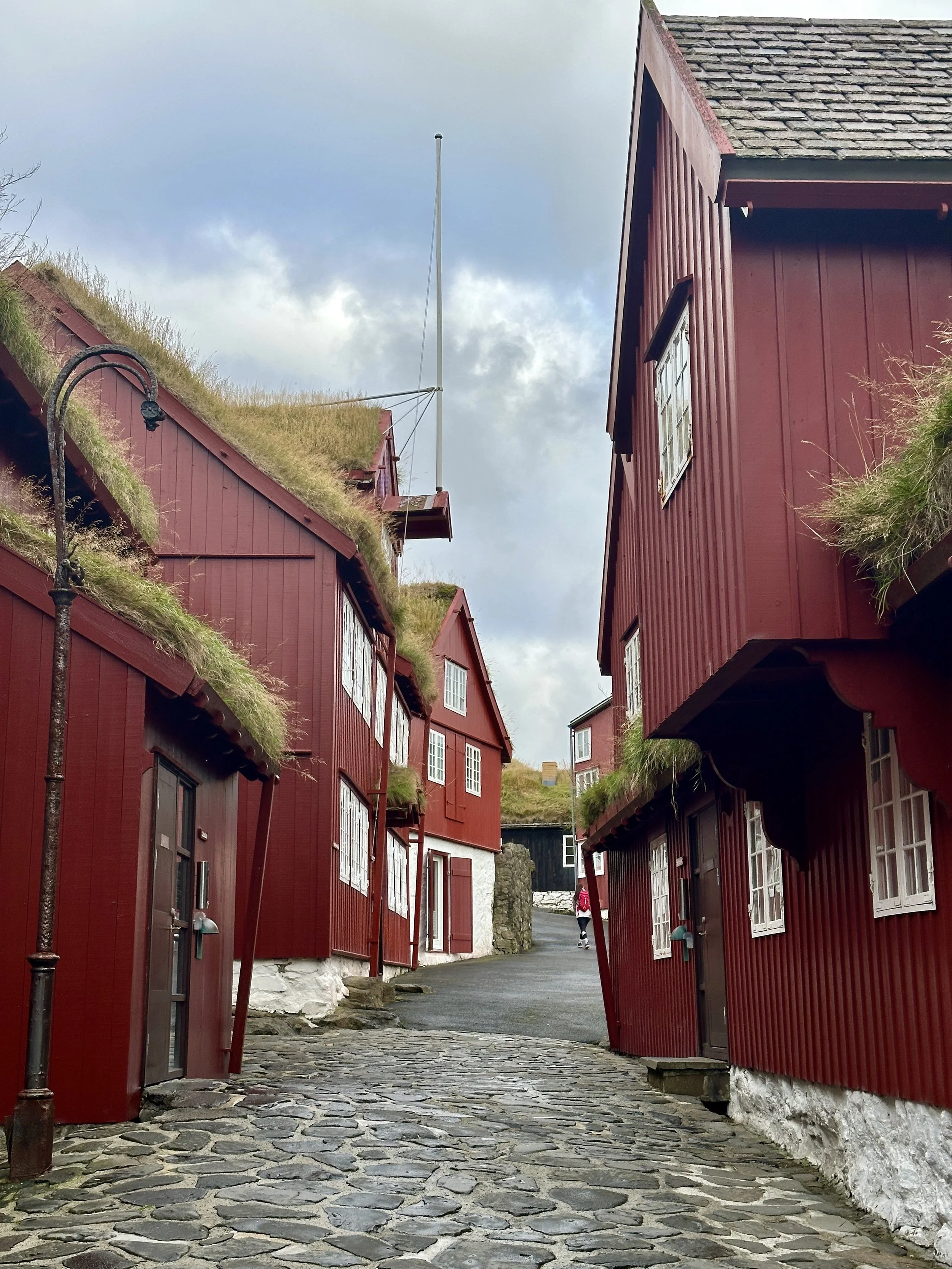
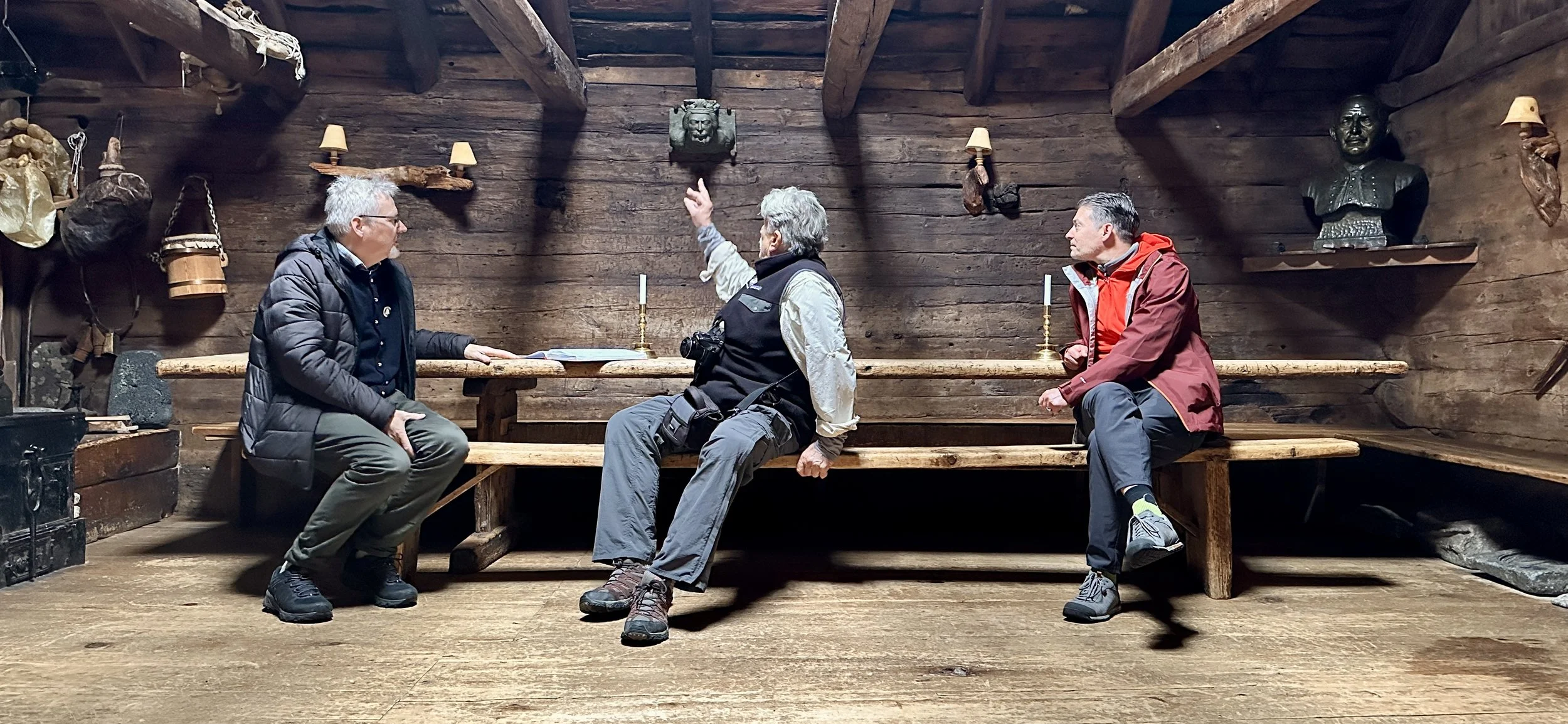
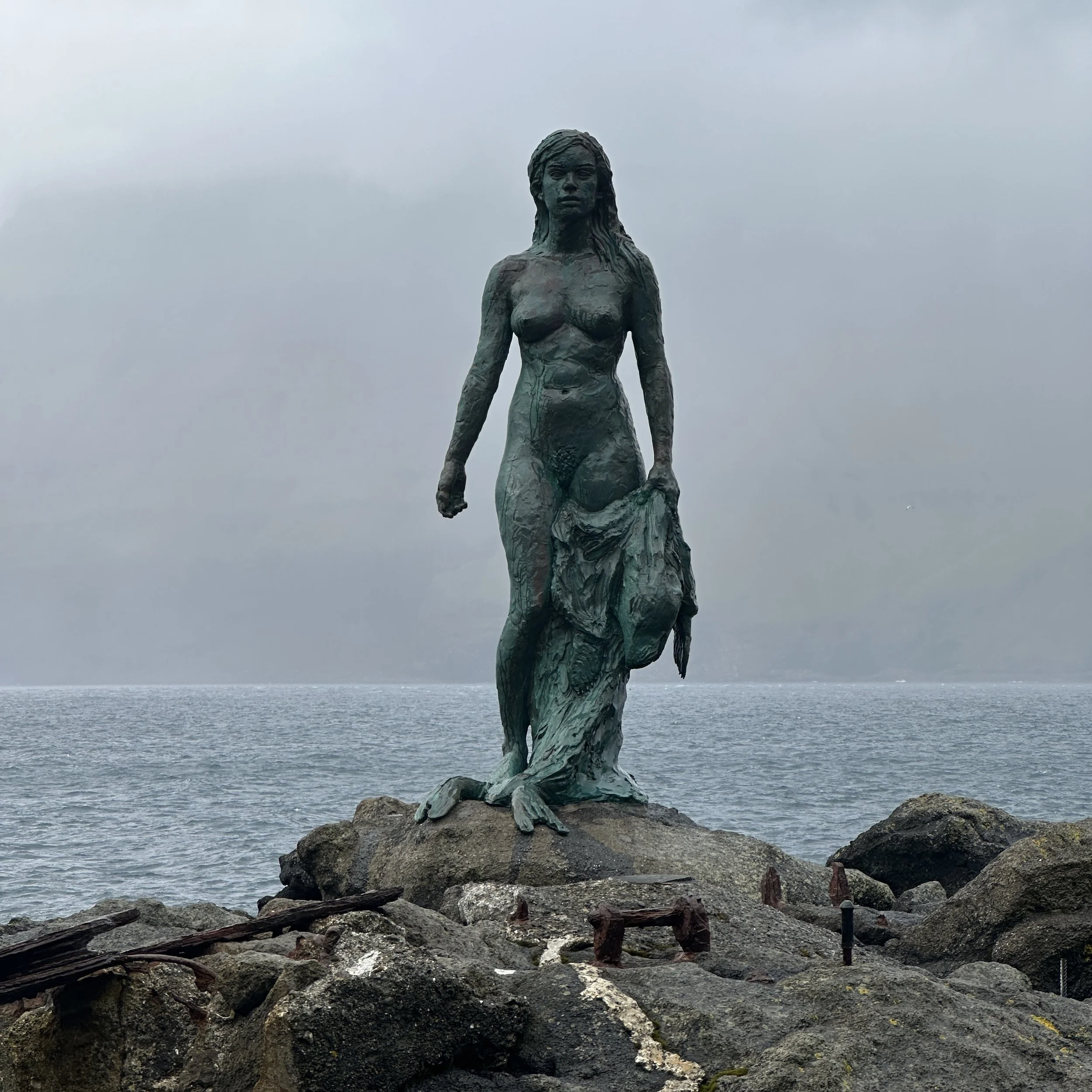
Here is a selection of my favorite photos from my most recent trip to the Faroes in September 2025.
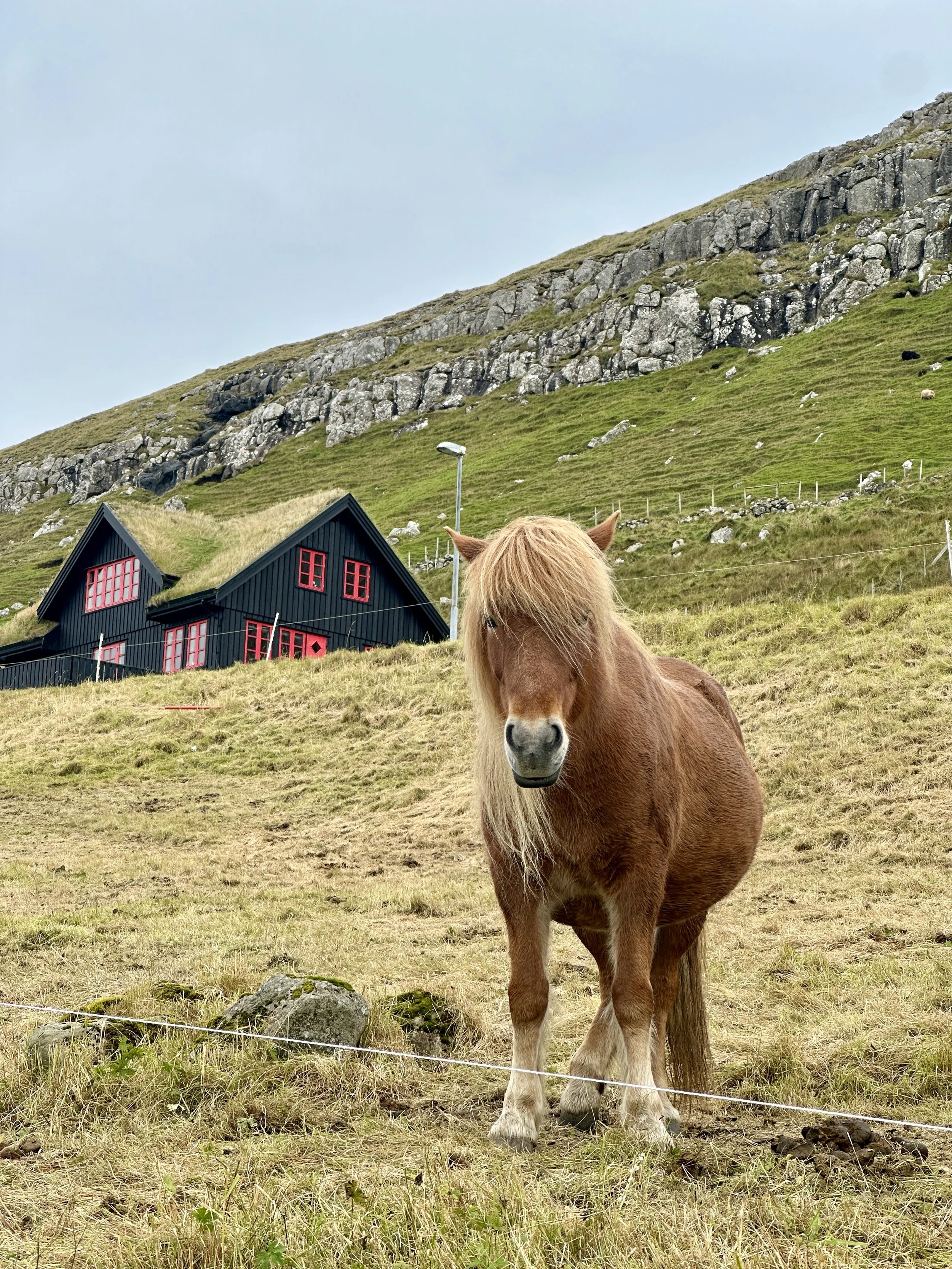
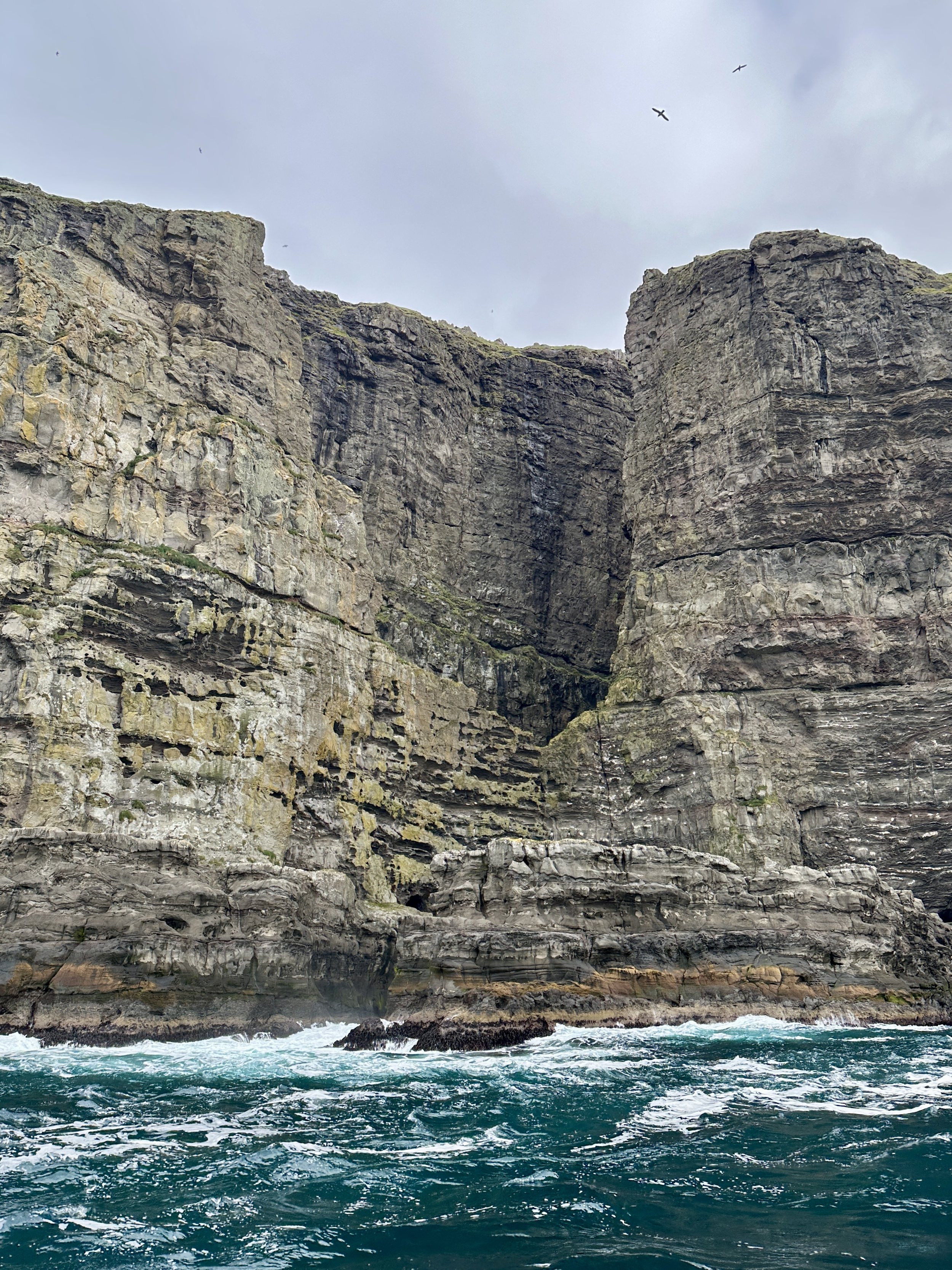
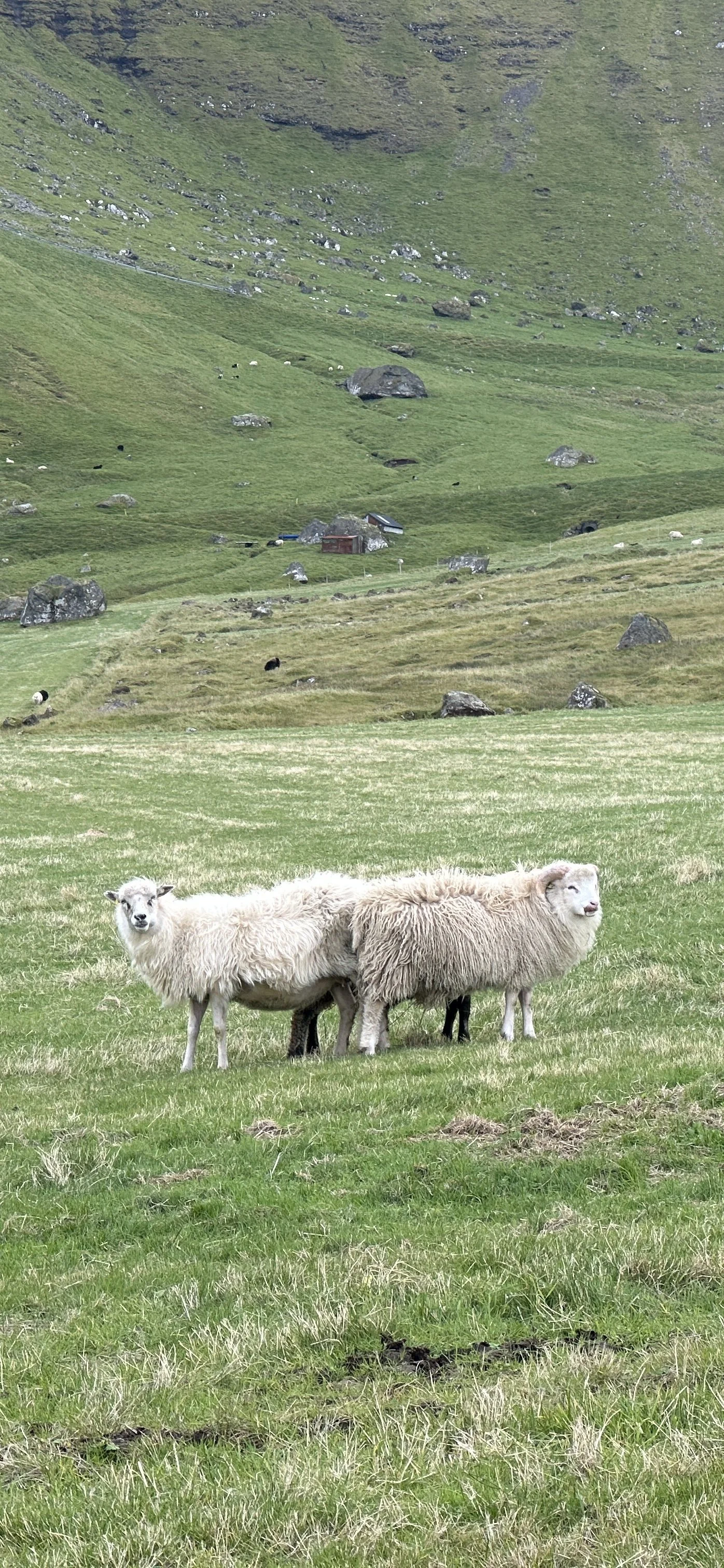
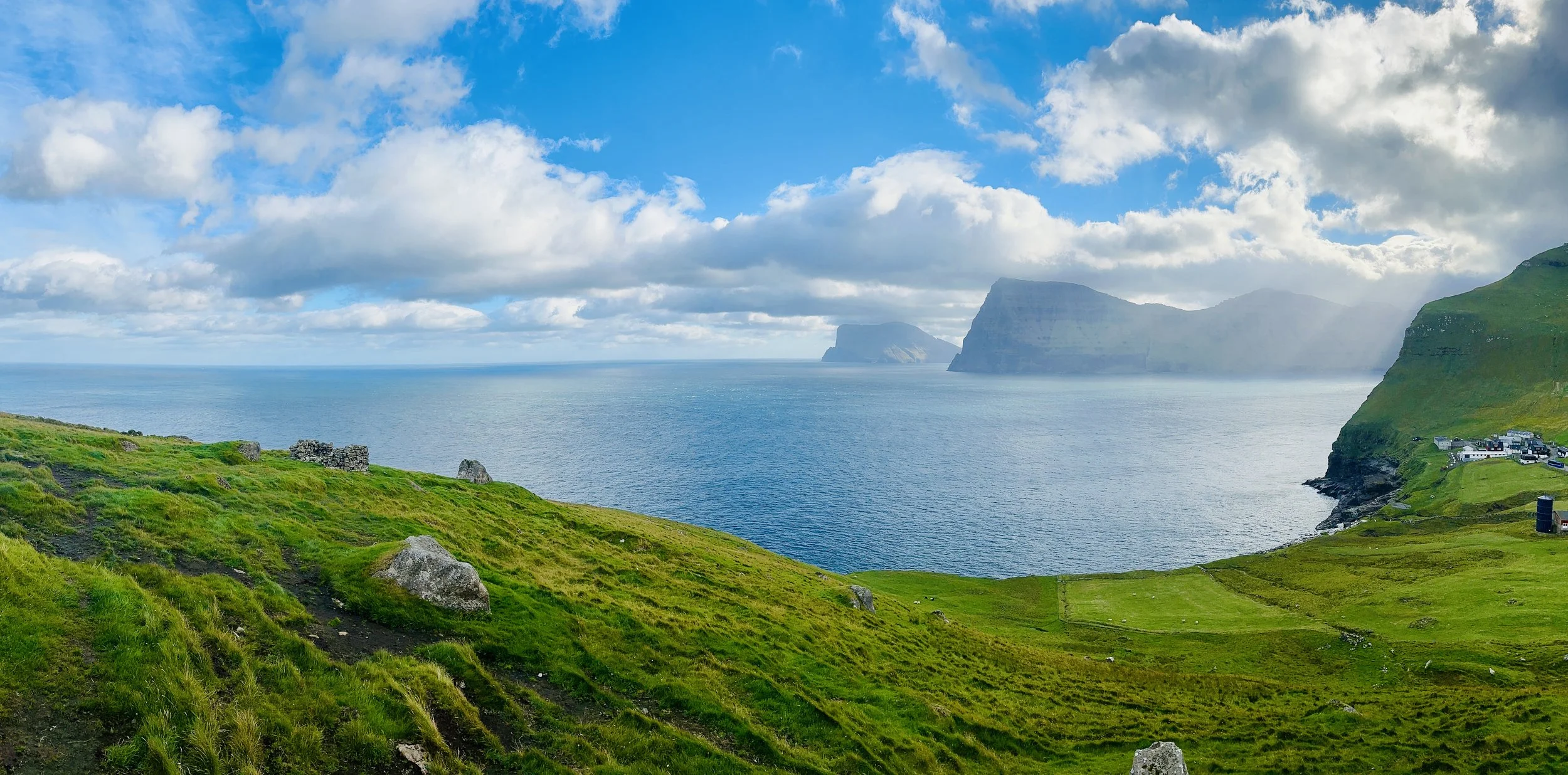

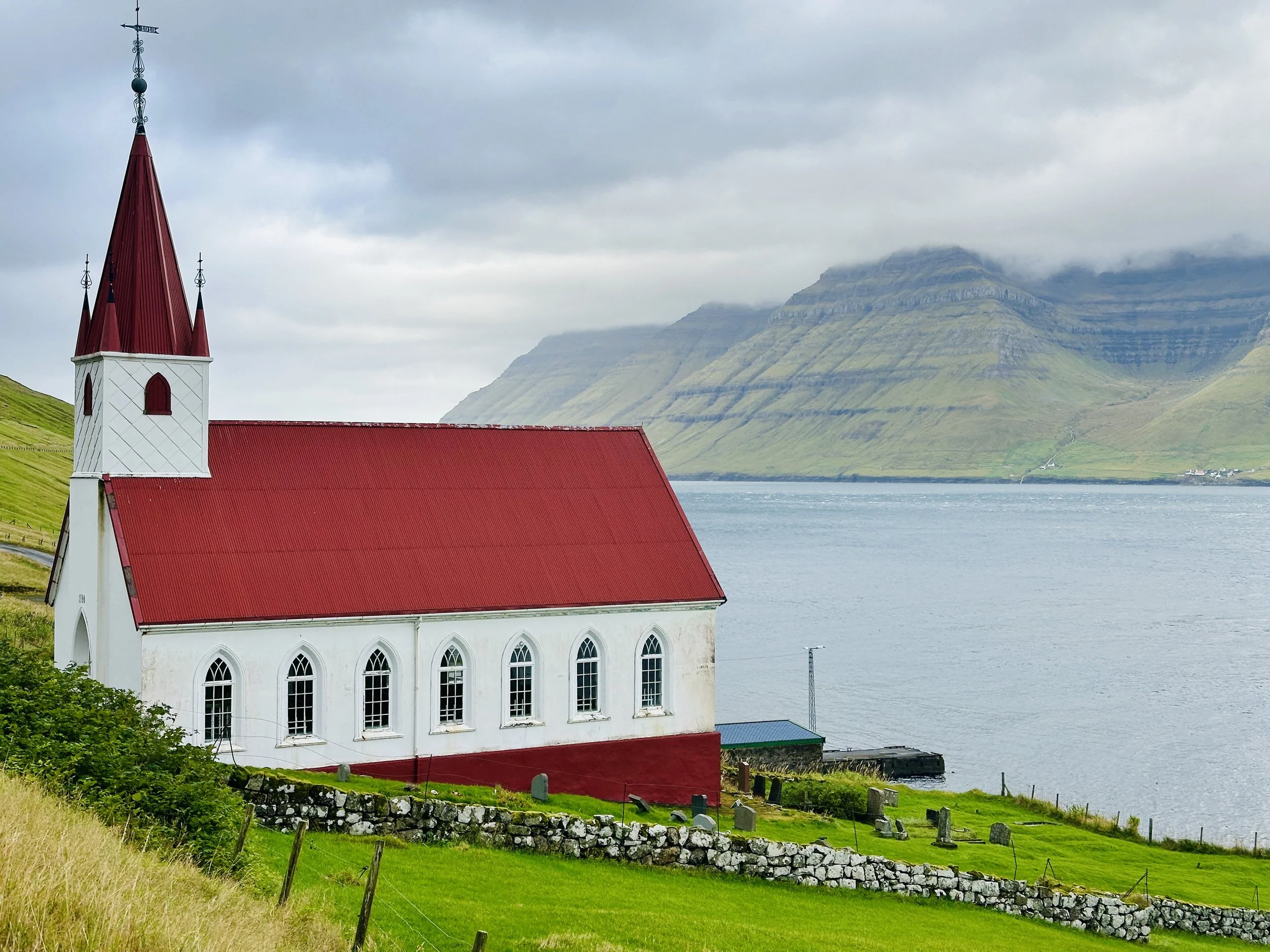
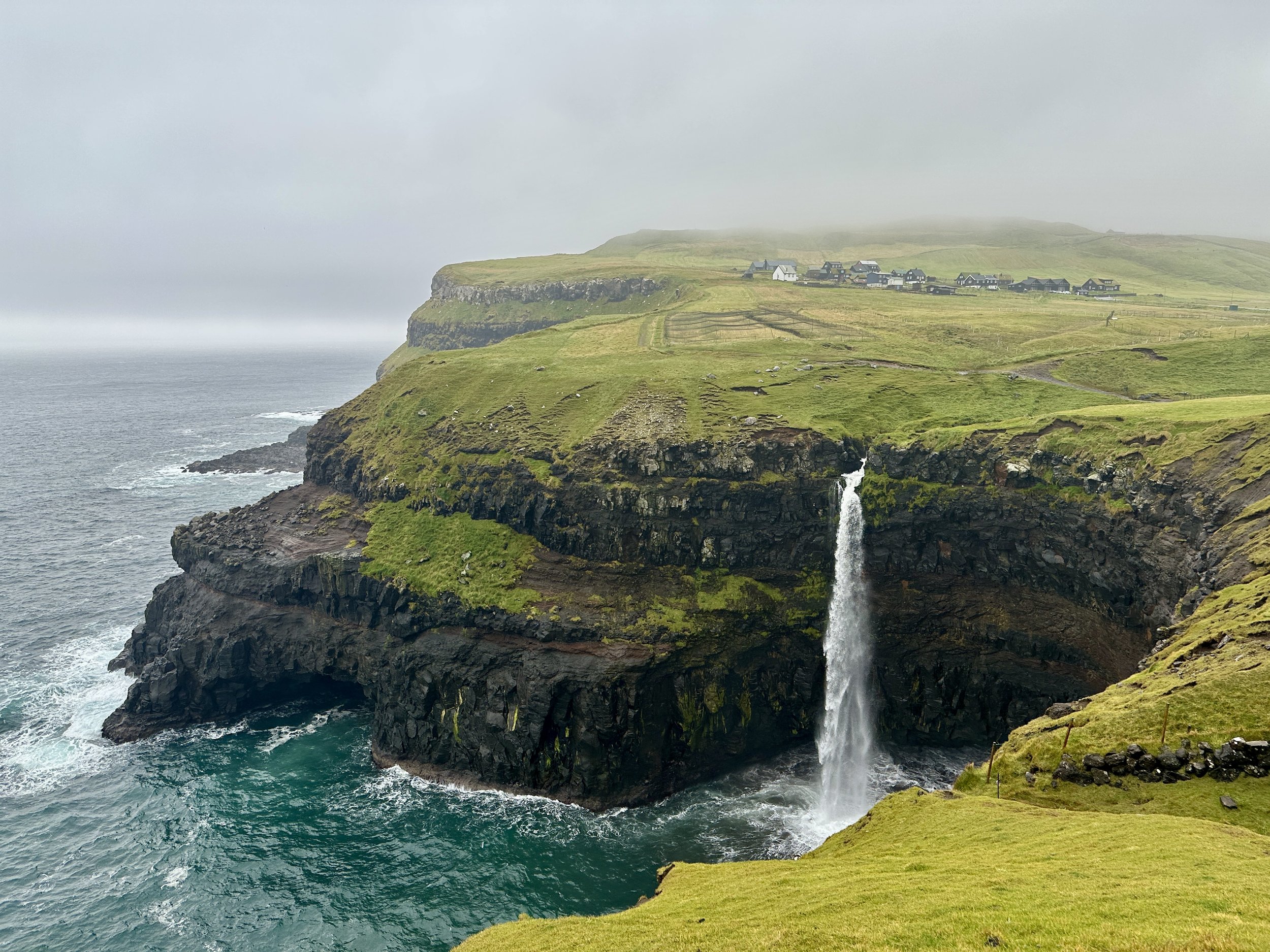
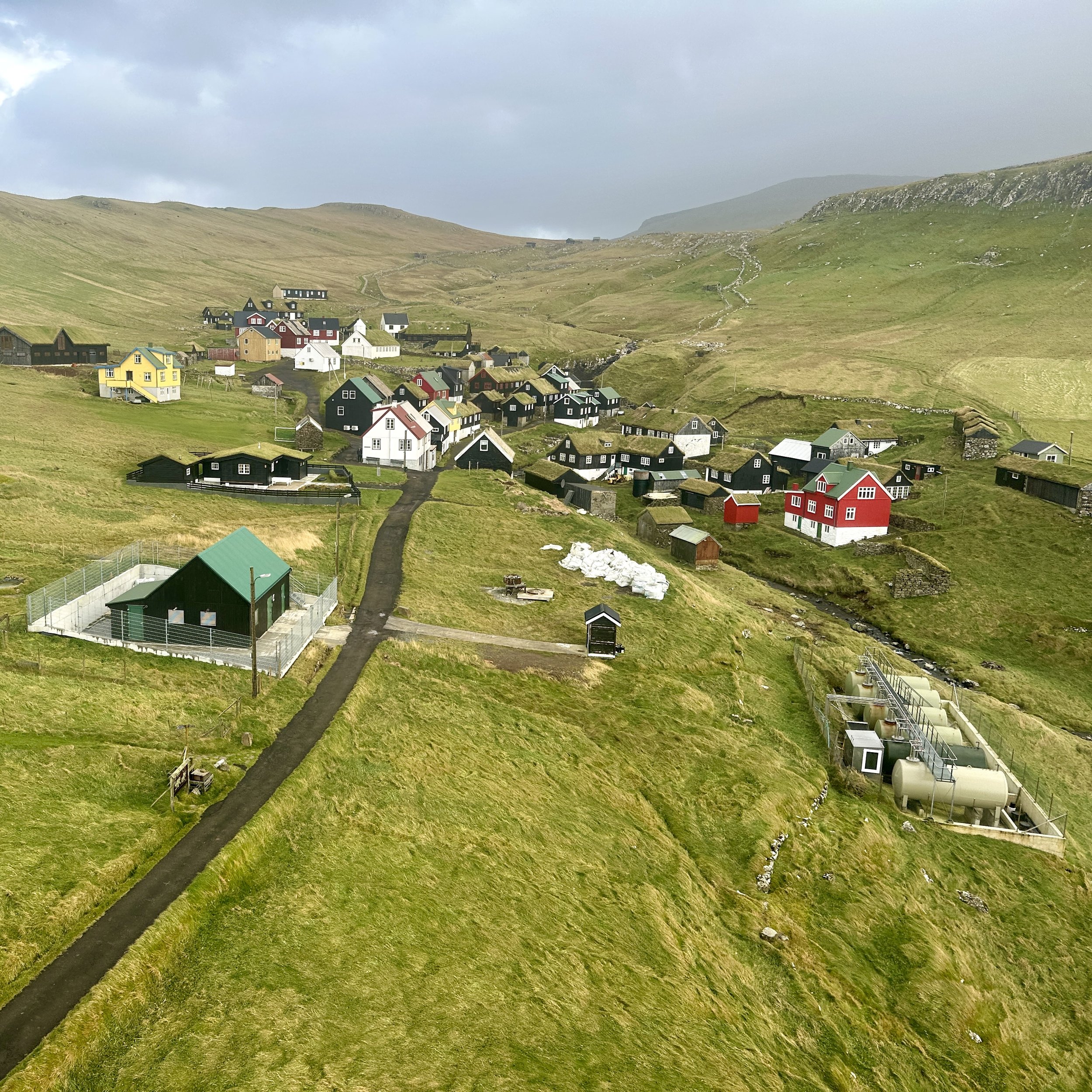
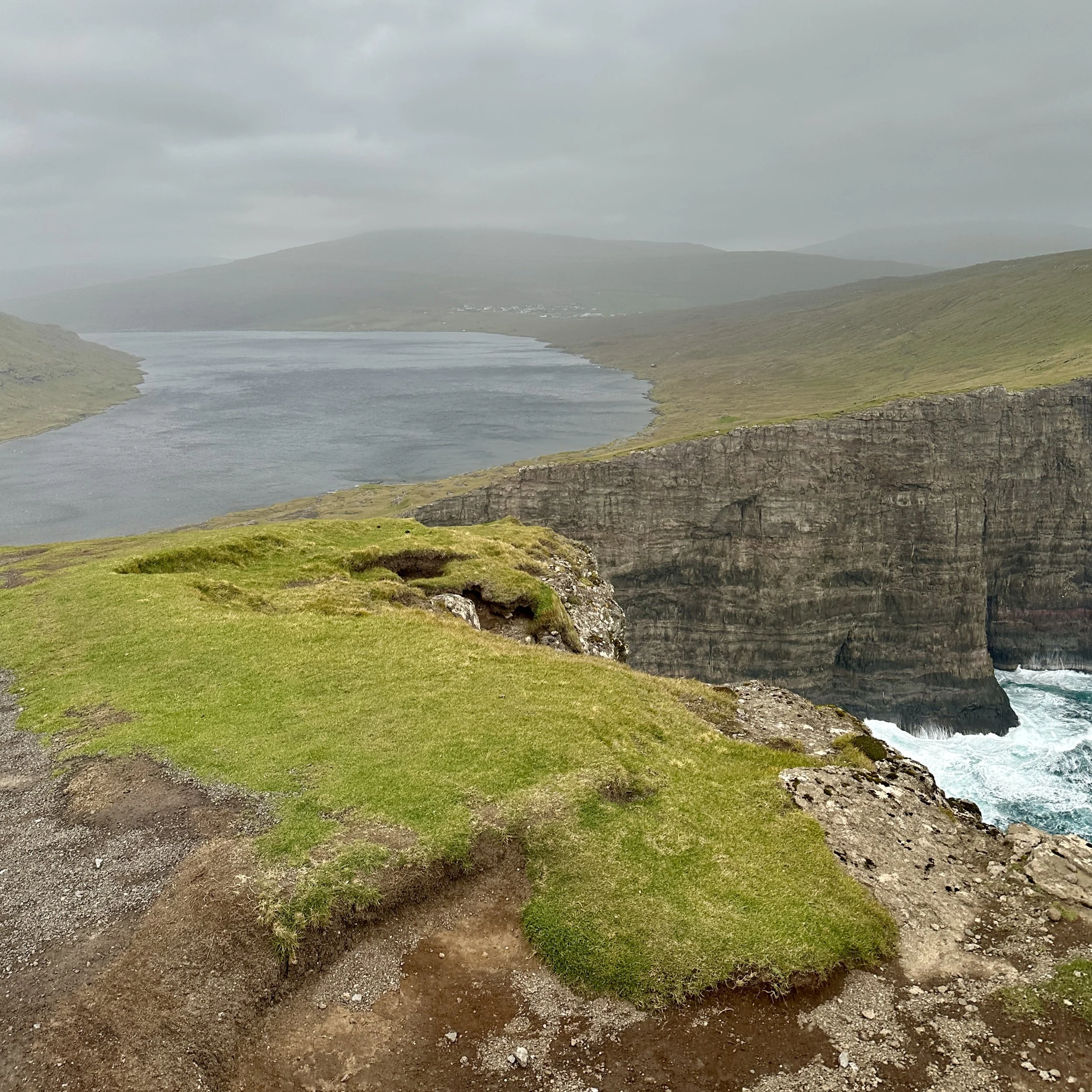
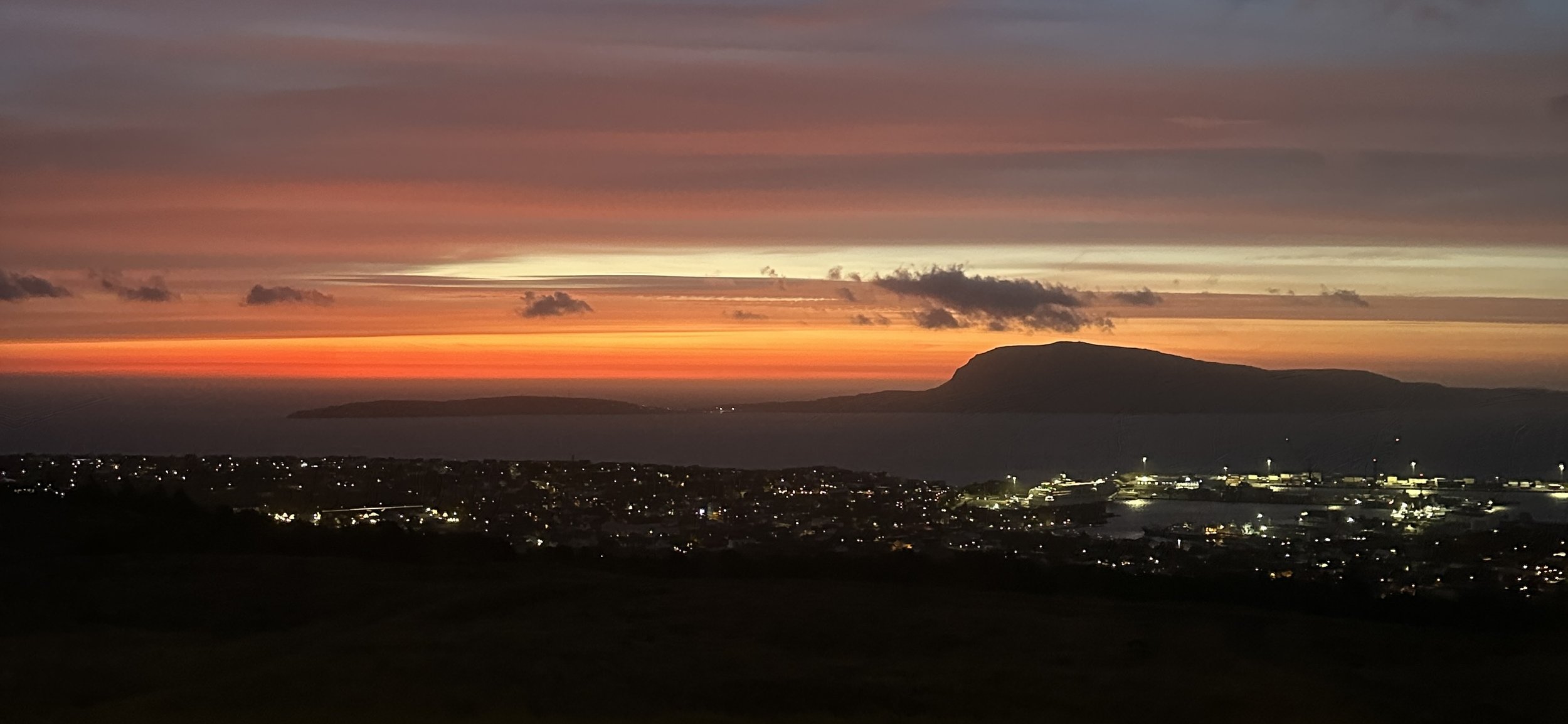
Life on 18 remote islands in the North Atlantic has its pros and cons: The weather can be raw and rugged, but the people, food, and culture are endearing and well worth the visit. The Faroes are a wonderful place to embrace the ‘slow travel’ mindset, reconnect with nature and loved ones, and take a much-needed deep breath of ocean air. Those are just a handful of the many things I learned about the Faroe Islands during my time there. If you have questions, want to learn more, or – better yet – want to begin planning your adventure to the Faroes, reach out to us to begin your Journey.
The Visit Faroe Islands website also has a ton of amazing information and inspiration for you!