A Female Traveler’s Guide to Finding Courage and Connection
Reflections on My Solo Travel Experience in Ecuador
by Mikayla Templeton | October 10, 2024
Embarking on a solo journey as a woman can be daunting. The thought of navigating unfamiliar lands, languages, and cultures alone is enough to keep anyone tethered to their comfort zone. But there's an undeniable magic that comes with stepping into the unknown, embracing vulnerability, and allowing yourself to be open to the world. My time traveling alone in Ecuador, from the lush Amazon rainforest to the highlands near Cotopaxi, was a profound exploration of not just the land, but of my own strength and spirit. Here’s how I found courage, connection, and so much more along the way—and how you can, too.
Taking the First Step: Facing Fears and Uncertainty
Before I set foot in Ecuador, a blend of excitement and fear filled my mind. At 20 years old, I’m a senior at Western Washington University, studying Recreation Management and Leadership. I’ve always had a passion for seeking experiences that push me beyond my comfort zone, which is exactly what this solo trip was meant to do. While I’m young, I’ve learned a lot about independence—skills that have brought me here, to Ecuador, for an adventure of growth and self-discovery. It’s easy to let the “what-ifs” dominate—what if I get lost? What if something goes wrong? What if I feel lonely? These are natural fears, but they’re also the barriers that keep us from the experiences that help us grow. Stepping onto that plane to Ecuador, I chose to silence those doubts, replacing them with curiosity and an openness to whatever the journey had in store.
The first days were challenging. Being in a foreign country where English isn’t widely spoken, especially outside tourist areas, can feel isolating. I quickly learned that solo travel isn’t about having all the answers or planning every detail—it's about surrendering to the moment and trusting yourself to adapt.
Finding Courage at Hacienda El Porvenir: Embracing the Andean Spirit
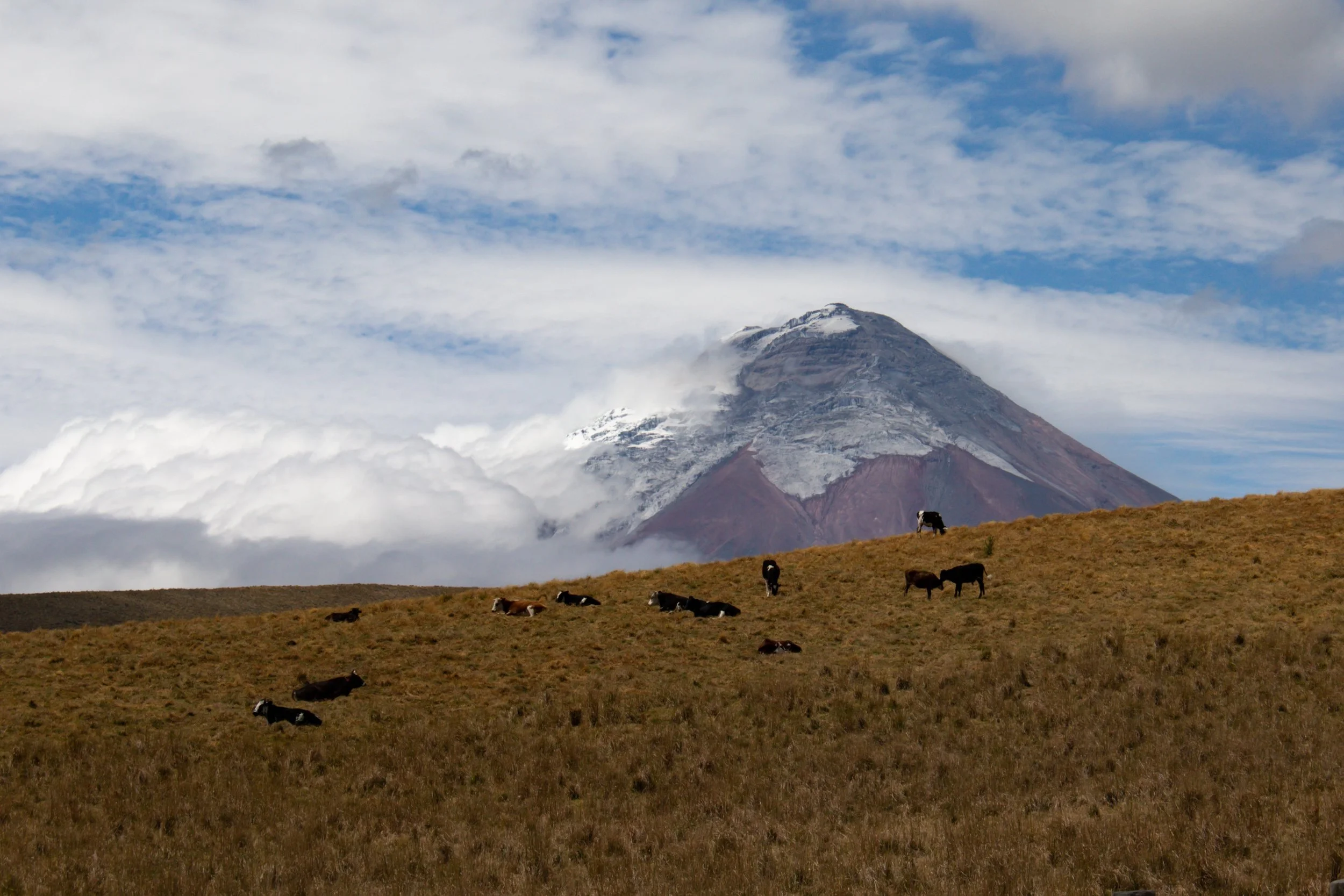
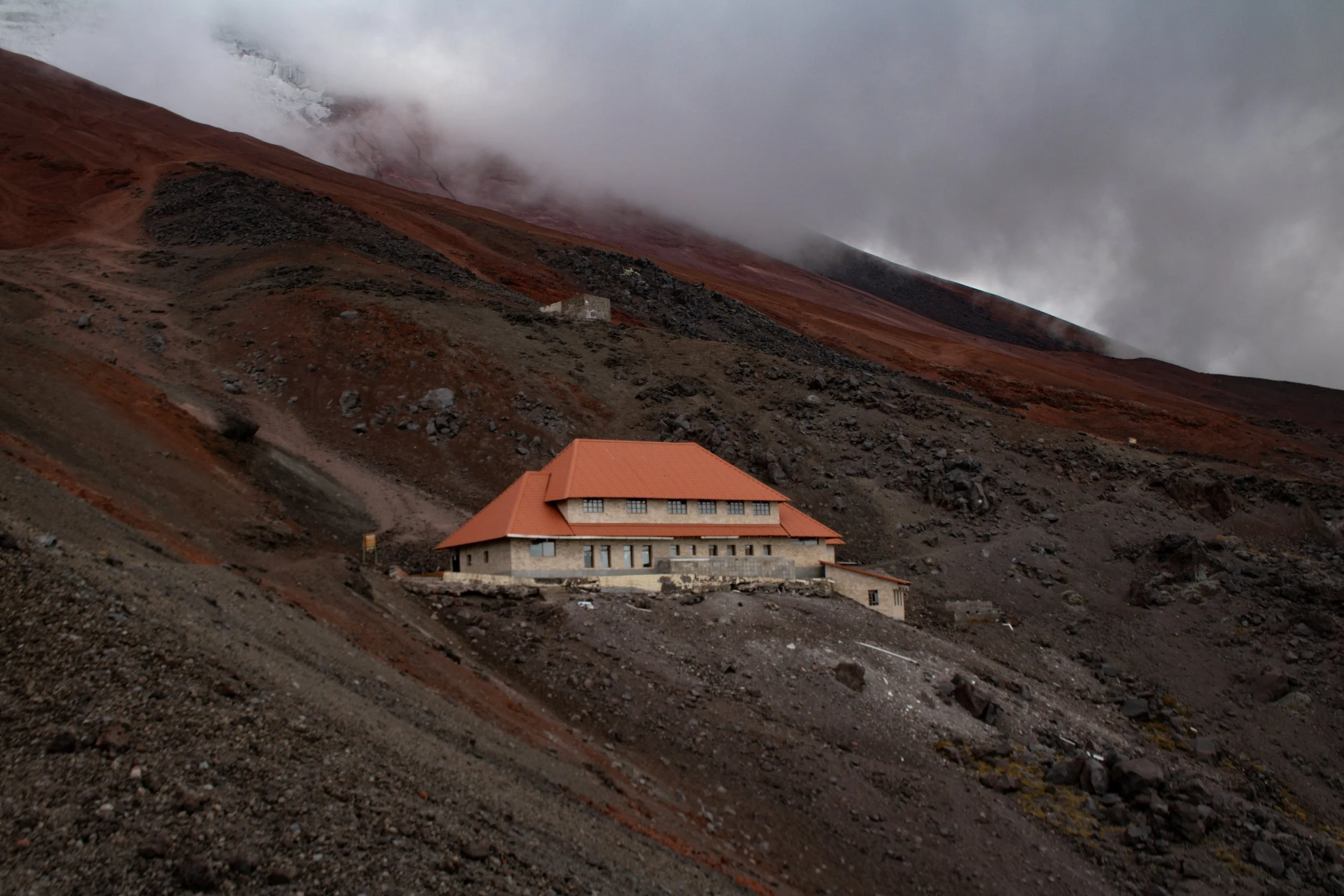
My journey began at Hacienda El Porvenir, a traditional Andean hacienda nestled near the towering Cotopaxi Volcano. The hacienda felt like stepping into another time, where the air was crisp and alive with the spirit of the “chagra” — the Andean cowboy. Being surrounded by rolling hills and volcanic peaks was humbling; it was a reminder that nature is both vast and intimate, a mirror of our own complexities.
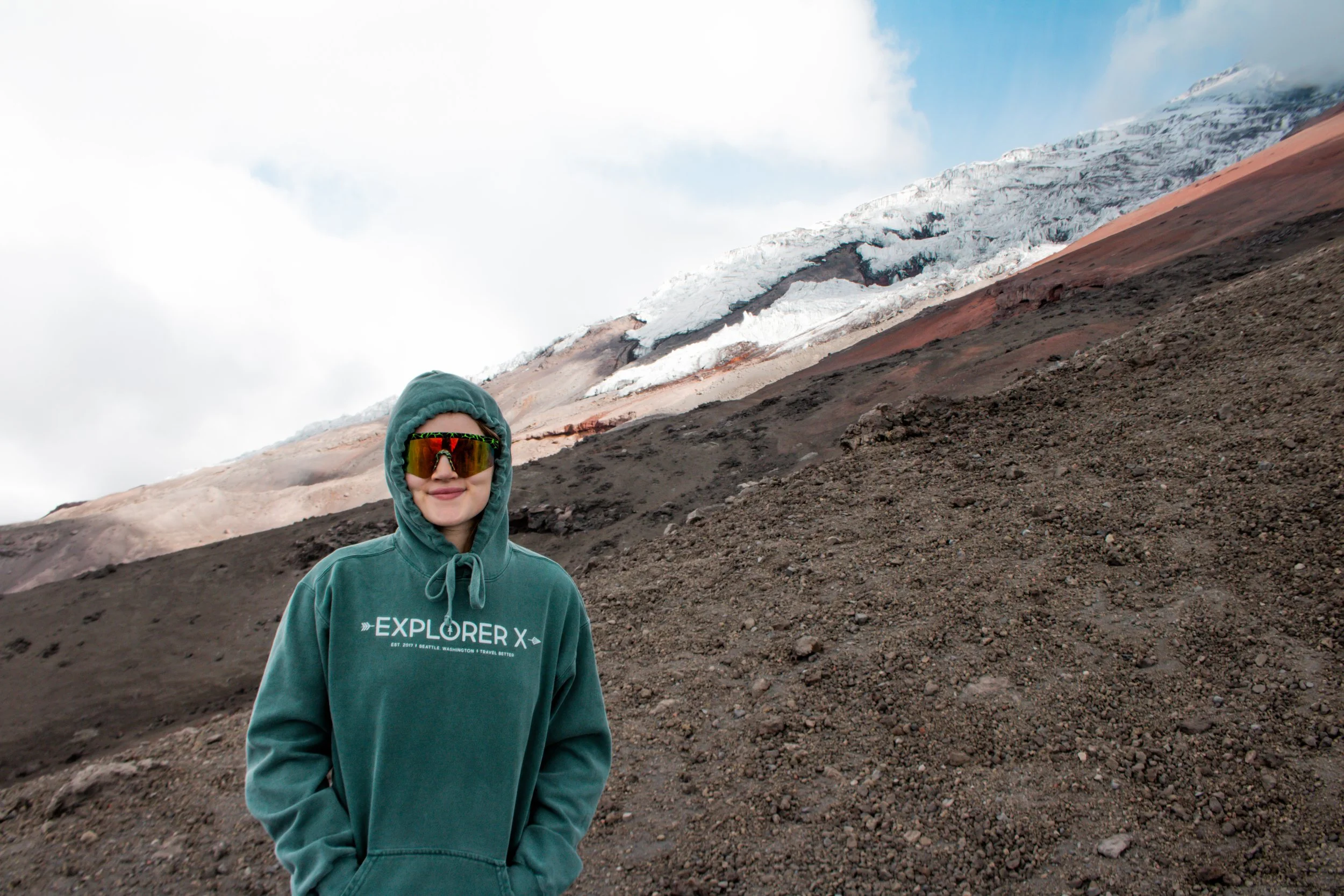
One of the most memorable moments of my trip was hiking to the Cotopaxi base camp with my guide, Santiago Garzón. He led the way with a sense of confidence and warmth, sharing stories of his own adventures and the deep significance of the land. As we climbed higher, I felt the altitude start to weigh on me, but the breathtaking beauty of the surroundings left me equally breathless. It wasn’t an easy hike—there were times I doubted my own strength—but Santiago’s encouragement and the quiet, steady power of the volcano kept me moving. It wasn’t just about reaching the peak; it was about tuning into the rhythm of my own steps and finding strength in the process. It also felt like destiny—just before my trip, I had finished reading The Alchemist, a story about following your personal legend. Meeting Santiago and standing in the shadow of Cotopaxi felt like my own “alchemist moment,” as if everything had aligned to bring me exactly where I needed to be.
Tip: Embrace the challenges. Hiking Cotopaxi wasn’t just a physical challenge; it was a lesson in trusting my own resilience. When you travel alone, every challenge becomes an opportunity to build confidence. Don’t be afraid to push your limits, whether it’s a hike, a language barrier, or simply dining alone. Your courage will grow in the face of every challenge you meet.
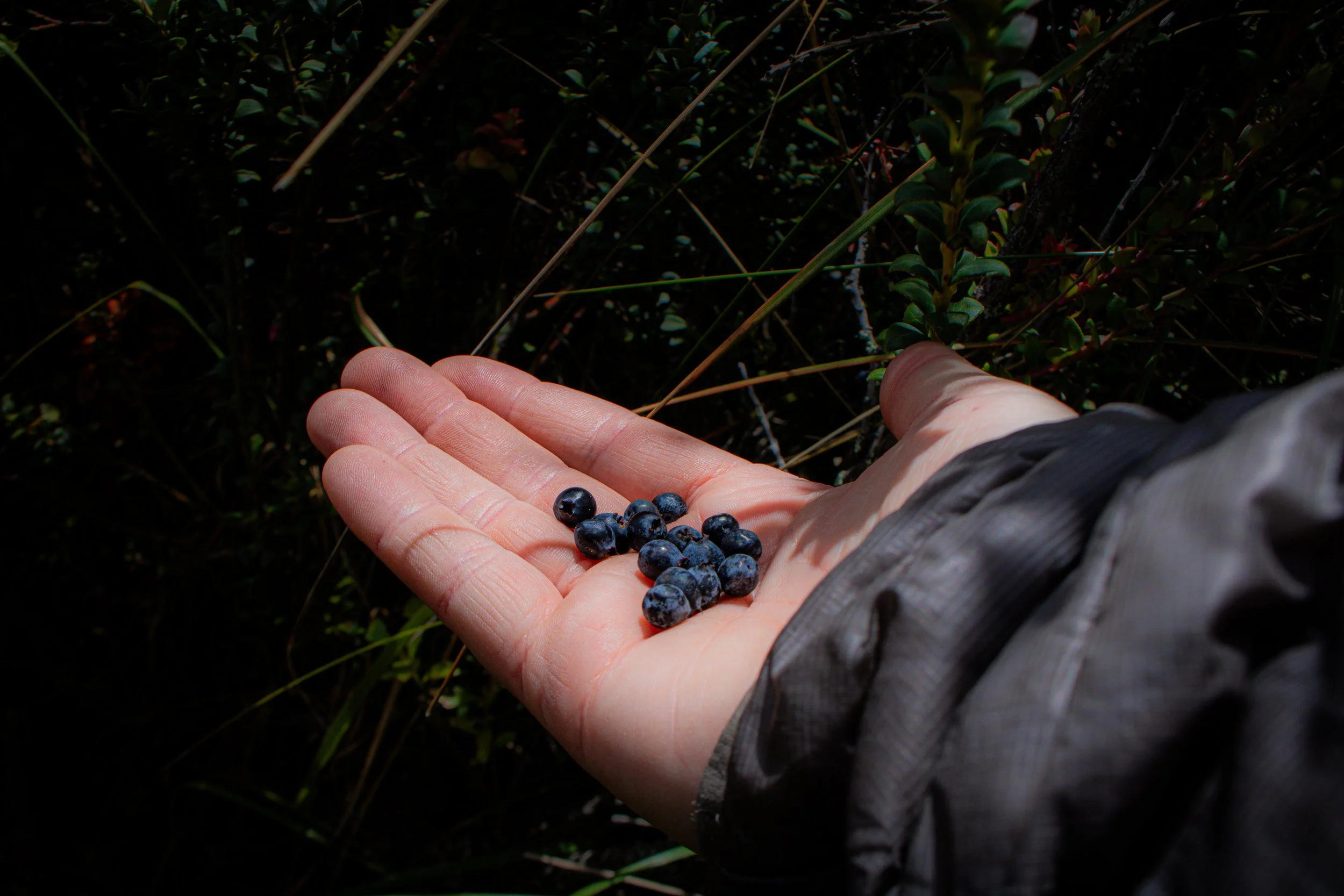
At the hacienda, I also learned the ways of the chagra—their deep connection to the land and self-sufficiency. I rode horses through the expansive Andean plains, surrounded by five volcanoes. The experience reminded me of my childhood, yet it was entirely new. The views, the wildlife, and the solitude combined to create a sense of freedom I hadn’t felt in years. I ate fresh Andean blueberries straight from the bush and learned about the native grasses that sustain life in these harsh landscapes. Each moment was a lesson in slowing down and appreciating the small wonders that surround us.
Tip: Connect with locals. Whether it’s your guide, the staff at your accommodation, or a friendly local, take time to connect with the people who call your destination home. Their stories and insights will enrich your journey and provide you with a deeper understanding of the place you’re exploring.
Kapawi Ecolodge: Finding Connection in the Heart of the Amazon
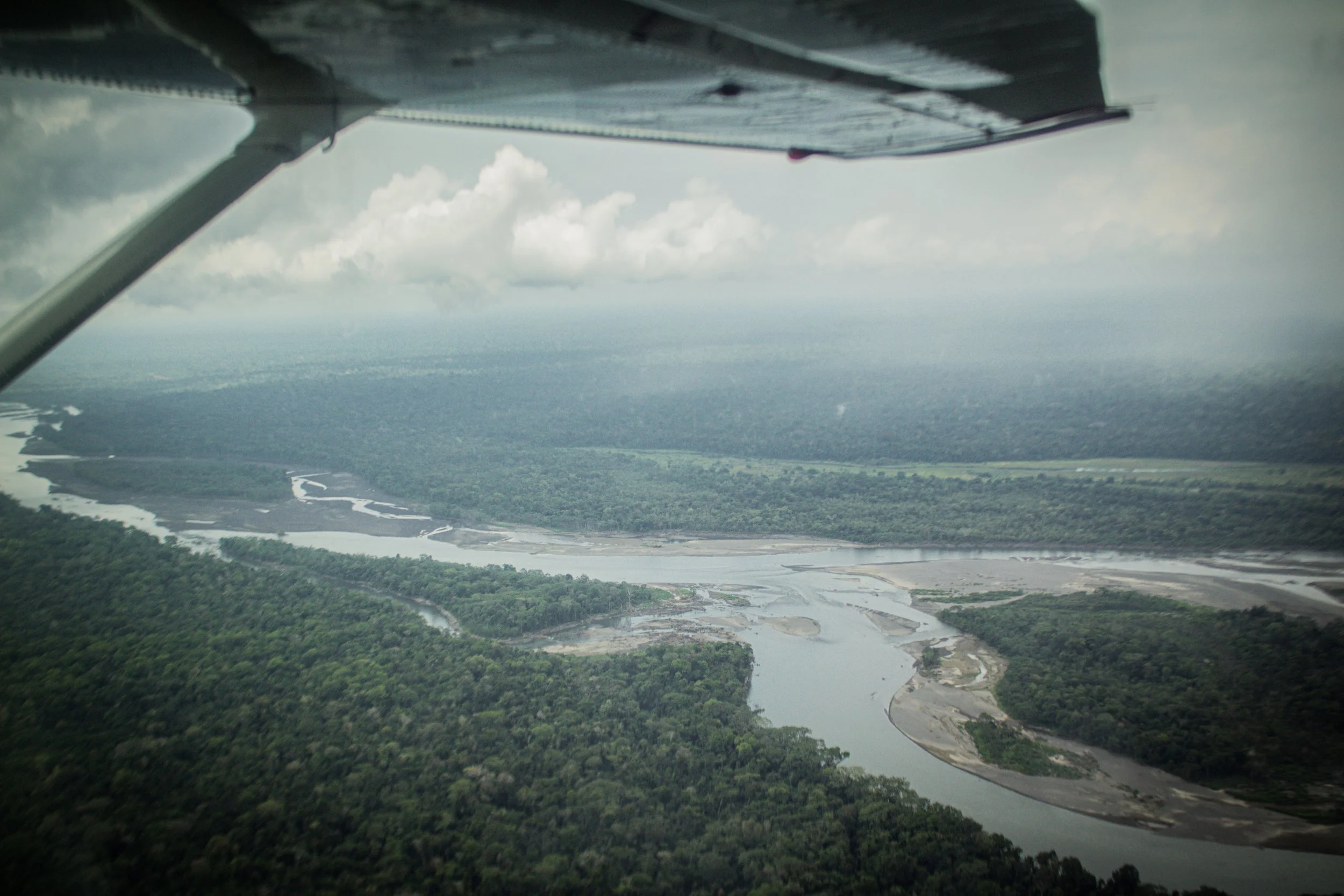
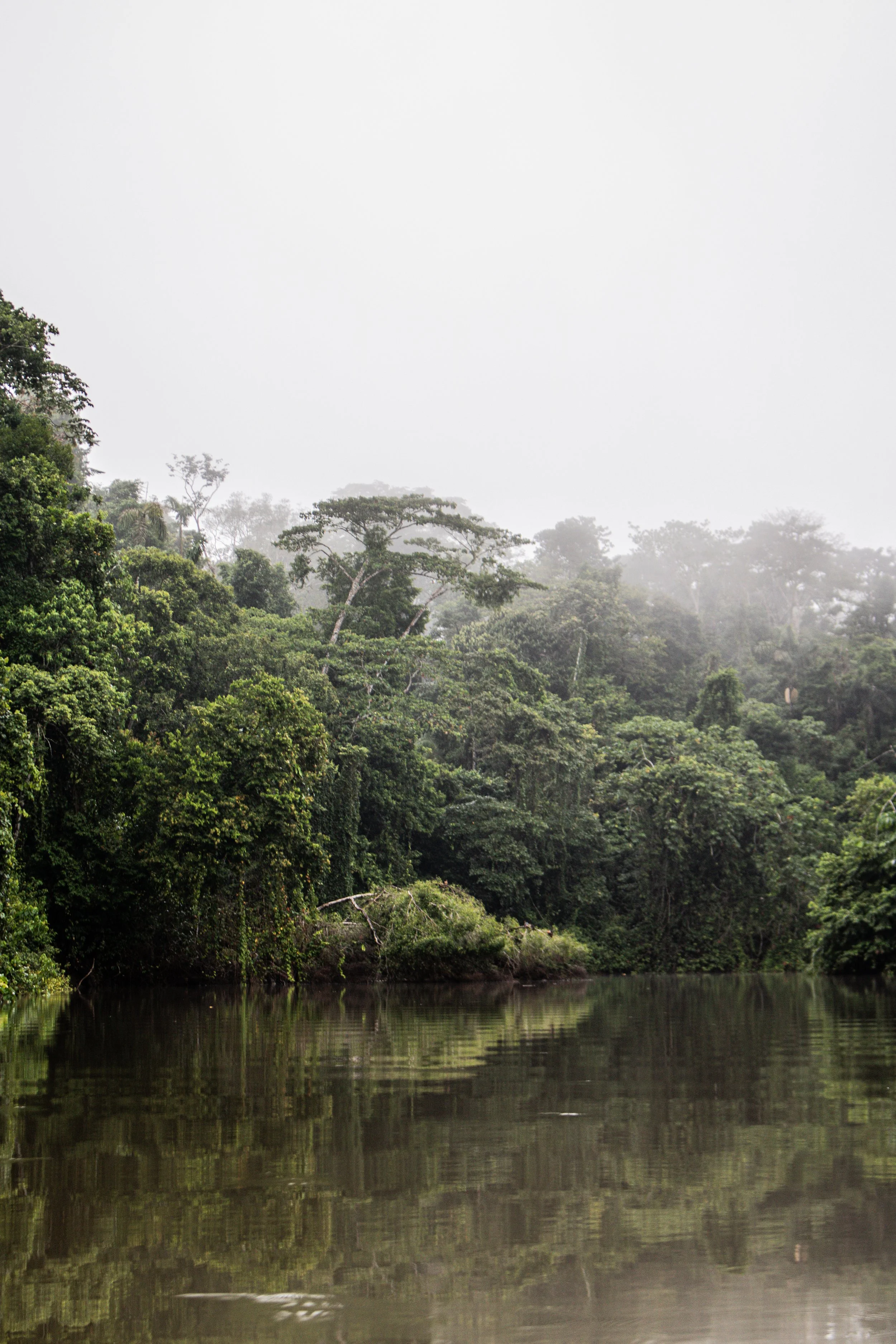
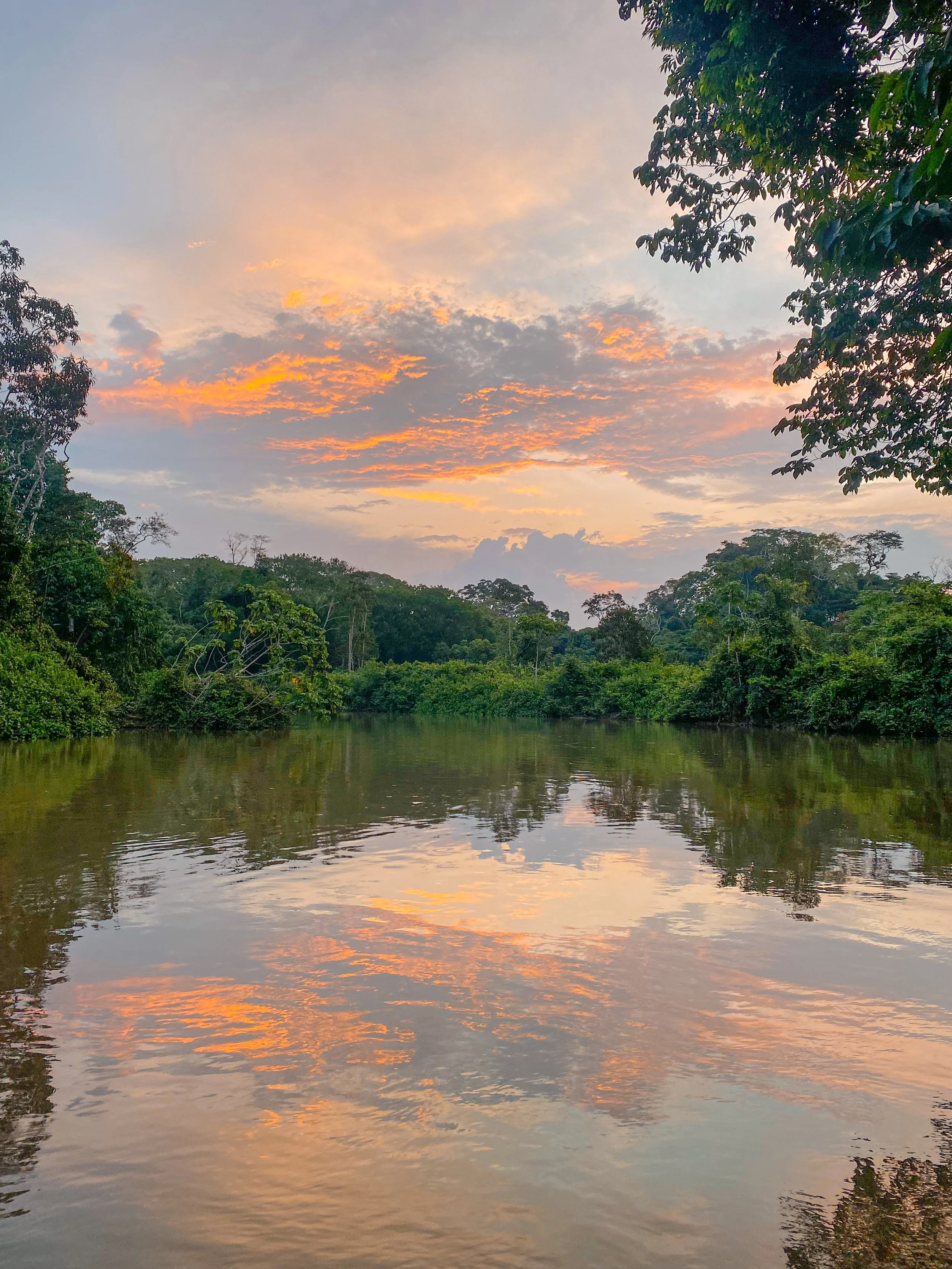
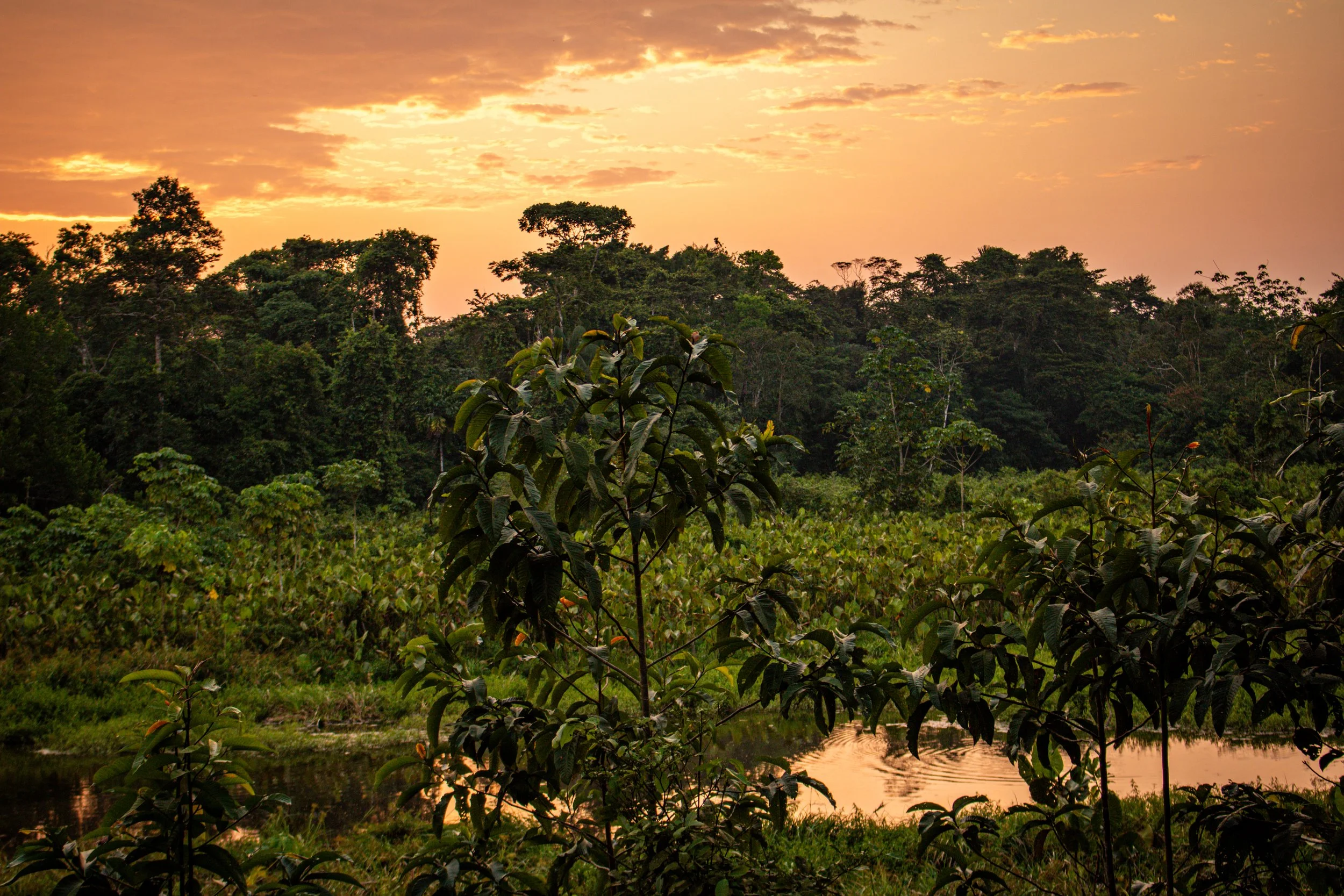
After leaving the Andean highlands, I ventured deep into the Amazon rainforest to Kapawi Ecolodge, a remote paradise accessible only by prop plane and canoe. As a Gen Z traveler, I’ve learned that while technology is part of my life, there’s immense value in stepping away from it. This trip gave me the opportunity to put down the phone, disconnect, and fully immerse myself in nature and the experiences unfolding around me. Kapawi isn’t just a place—it’s a gateway to another world, one where nature reigns supreme and time seems to move differently. The Achuar people, who call this land home, welcomed me with open arms, and I quickly learned that the forest has a rhythm and a spirit that commands respect and curiosity.
While at Kapawi, I met an older German couple who had also come to explore the depths of the Amazon. They were in their 60s, yet still as adventurous and full of life as anyone half their age. I admired their willingness to experience the world with open hearts and minds, a reminder that age doesn’t dictate your capacity for adventure. It was inspiring to see them embrace the challenges of the forest, proof that adventure knows no limits, and there’s always something new to discover no matter where you are in life.
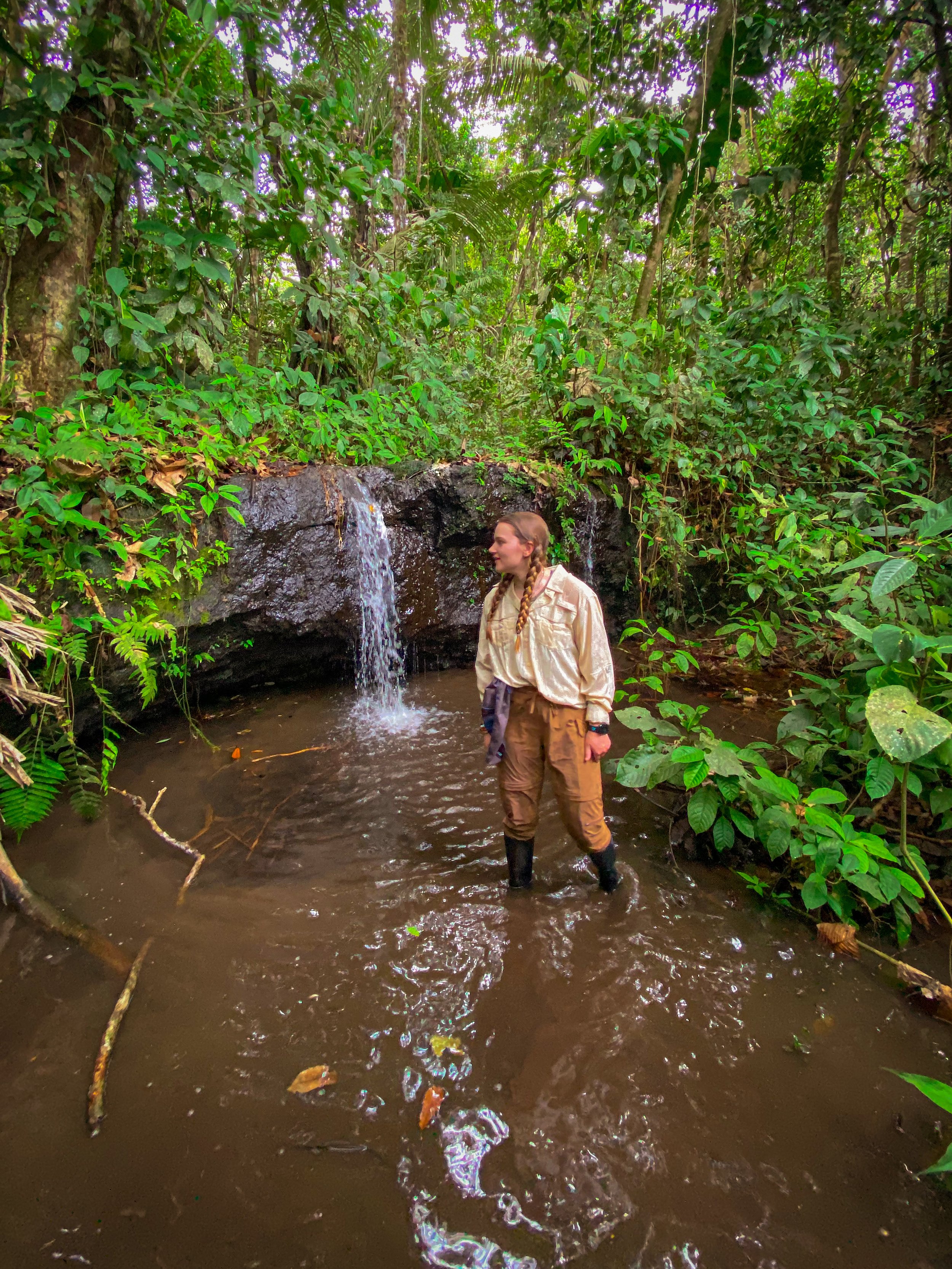
My guides, Ricardo (Richy) Santos and Simon Santi, became my lifelines in the labyrinth of green. Simon, an Achuar guide from the community of Kusutkau, was a window into the soul of the Amazon. His deep knowledge of the forest and Achuar traditions was captivating, teaching me how to identify medicinal plants, spot hidden creatures, and listen to the subtle cues of the rainforest. Richy, though not of Achuar heritage, had spent years immersed in the culture and had developed a deep reverence for the forest. The way he spoke of the forest—its rhythms, its spirits, and its untamed beauty—revealed a bond that was as profound as any native connection. With each step, both guides taught me that the rainforest was more than just a place; it was a living, breathing entity.
One of the most profound experiences at Kapawi was my introduction to the sacred Mente tree, a revered figure among the Achuar people, known as the ‘grandfather’ of the Kapok trees. We began the ceremony by inhaling tobacco water, a cleansing ritual to prepare our hearts and spirits before approaching this living ancestor. The tree towered above us, its roots sprawling like ancient arms reaching deep into the earth. Touching its rough bark felt like stepping into another time, where the past and present converged, and I whispered my intentions, hoping to connect with the powerful spirit of the forest. Standing before the Mente, I felt a rush of emotions—humility, reverence, and a quiet, grounding awe. It was more than just a tree; it was a keeper of memories, a silent witness to the lives that had come before. The Mente stood tall and unwavering, offering a connection that was palpable, almost like an embrace. In that moment, I felt grounded, like a part of something ancient and enduring. The experience reminded me of how sacred and intertwined our lives are with nature, a truth often forgotten in the rush of everyday life. It was a beautiful reminder that we, too, are part of the earth’s story, connected in ways that words can barely capture.
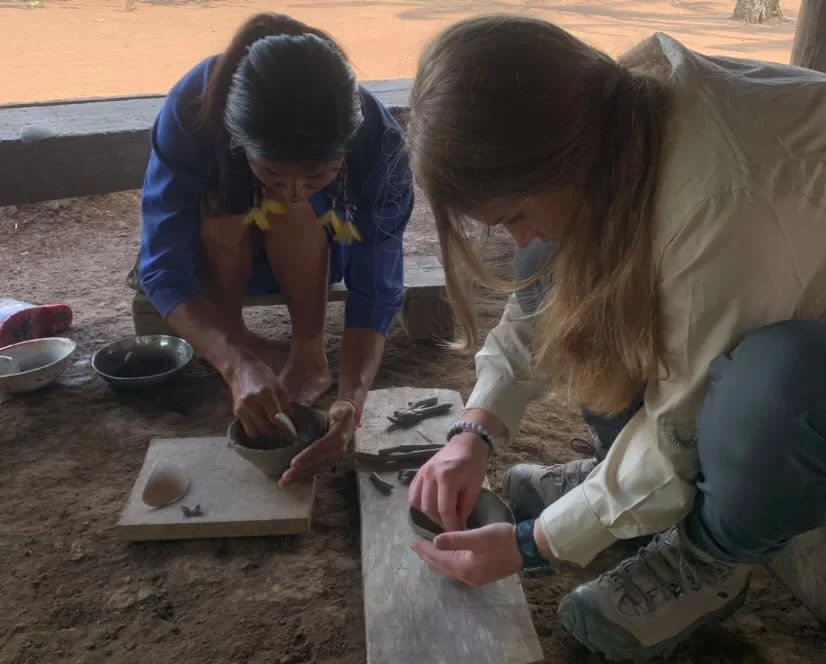
Beyond the sacred trees, visiting the Achuar communities was another deeply moving aspect of my time at Kapawi. I was welcomed into their daily lives, invited to see their world through their eyes. Walking through the villages, I met a woman crafting bowls from clay, skillfully shaping them with her hands—a tradition that has been passed down through generations. It was a slow, deliberate process, one that spoke to the patience and care that underpins their way of life. I learned that each bowl took nearly two weeks to create, from shaping the clay to firing it in a wood oven, and each piece held a story of connection to the earth.
One of the most intimate experiences was immersing in the Guayusa ceremony at dawn, where the community gathered to drink bowl after bowl of a special tea made from the guayusa plant. Sitting in the early morning darkness, with the rainforest’s chorus as our soundtrack, we drank together, each gulp a part of an ancient ritual meant to cleanse and energize. After drinking a few bowls, we purged to release toxins and negative energy, a physical and spiritual reset that felt as if we were shedding layers of our old selves. It was raw, cleansing, and surprisingly freeing. Afterward, we shared our dreams from the night before, interpreting them as messages from the spirits. My dream was of a woodpecker, perched and watching me—a symbol, they told me, that someone significant would soon enter my life.
Tip: Participate in local customs. Embrace every opportunity to engage with local traditions, even if they seem outside your comfort zone. These moments are often the most transformative, providing insights into the lives of the people you meet and offering you a chance to reflect on your own journey.
These community visits were more than just glimpses into another culture—they were an invitation to connect deeply, to see the world not just through my own eyes but through the lens of people who live in harmony with the earth. I felt humbled by their generosity, their willingness to share their traditions and their lives with me. The Achuar people taught me that connection runs deeper than words—it’s found in shared experiences, in the rituals that bind us, and in the simple, profound act of being present with one another.
Richy, my guide, became a close friend over my days at Kapawi. His gentle encouragement and sense of humor pulled me out of my shell. Whether it was coaxing me into jumping off riverbanks or sitting in silence under the stars, Richy’s presence was a gift. We spent hours talking by the riverside, laughing at language barriers, and sharing stories of our vastly different worlds. The connection felt easy, unforced, and genuine—a reminder that sometimes the most meaningful bonds are formed when you least expect them.
Tip: Be open to connection. Solo travel doesn’t mean you have to be alone. Embrace the connections that come your way, whether fleeting or profound. Every person you meet adds a new chapter to your story, enriching your experience in ways you never imagined.
Overcoming Challenges and Embracing the Unknown
Solo travel isn’t always easy. There were moments of doubt, language barriers, and times when I felt the weight of being alone. But that’s where the beauty lies. My passion for embracing discomfort and seeking the unfamiliar is what led me to Ecuador in the first place. Each challenge became an opportunity to grow, pushing me to rely on the independence I’ve been cultivating for years. Every obstacle was a stepping stone—a chance to prove to myself that I am capable, resilient, and brave. I learned to trust my instincts, navigate new places with confidence, and approach every interaction with an open heart.
For other women who may be hesitant to travel alone, my advice is simple: take that leap. The world is full of kindness, adventure, and lessons waiting to be discovered. You’ll find strength you didn’t know you had, make connections that cross cultures and borders, and see the world—and yourself—in a new light.
Embrace the discomfort, the unknown, and the moments that push you beyond your limits. Solo travel is not about escaping your life; it’s about stepping into it fully, with courage, curiosity, and an open heart. Maketai, Ecuador, for teaching me to be fearless, for the connections I made, and for showing me that the world is full of places and people waiting to change us in ways we never imagined.
So, to all the women out there contemplating their own journey: Whenyahi (hello), Ayu (okay), and when the time comes to leave, Weahai (goodbye). Let the world be your teacher, and let each journey be a testament to your courage.